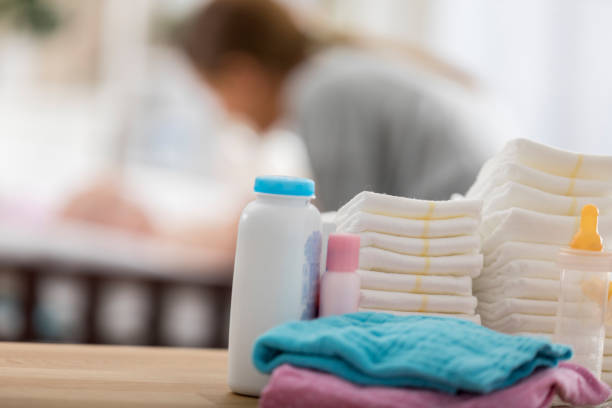
Most newborn checklists focus on the obvious items: diapers, wipes, onesies, bottles, a crib, a stroller, and a car seat. Those basics matter, but many parents discover after the baby arrives that some of the most helpful items were not the flashy products they saw on registries. The most overlooked newborn must-haves are often small, practical, and easy to forget. They are the things that make late-night changes easier, feeding less stressful, bath time calmer, and the home more organized during the first few weeks.
Newborn life is repetitive in the most intense way. Babies eat often, sleep in short stretches, need frequent diaper changes, spit up, leak through outfits, and require constant gentle care. Parents are tired, healing, learning, and adjusting. A good newborn setup does not need to be expensive or crowded. It needs to support the daily rhythm of feeding, sleeping, changing, soothing, cleaning, and recovering. When families focus on practical safe baby products, they often realize that the best items are not always the ones that look most exciting before birth.
Extra Changing Pad Liners
Changing pad liners are one of the most underrated newborn products. Many parents buy a changing pad or portable changing mat but forget that newborn diaper changes can be messy several times a day. A washable liner protects the changing surface and saves parents from constantly cleaning the entire pad. During the first weeks, when diaper leaks and surprise messes are common, having a small stack of liners can make a big difference.
Parents do not need a complicated changing station. A few soft, washable liners kept near diapers and wipes can make changes faster and cleaner. They are also useful for diaper bag changes, couch changes, or quick changes on a bed or floor when space is limited. This small item is often more useful than a large changing table, especially in apartments or shared bedrooms.
A Simple Diaper Caddy
A diaper caddy is another overlooked must-have because it keeps supplies together. In the newborn stage, parents may change diapers in different parts of the home, especially during recovery or nighttime care. A small caddy can hold diapers, wipes, cream, hand sanitizer, changing liners, burp cloths, and a spare outfit. Instead of walking across the room or searching through drawers, parents can keep everything close.
The best diaper caddy is not necessarily fancy. It should be lightweight, easy to carry, and simple to refill. For small apartments, a diaper caddy can replace a full changing station. For larger homes, it can prevent parents from needing duplicate supplies in every room. This is the kind of item that does not look exciting on a registry but becomes extremely helpful during real newborn care.
Burp Cloths in More Than One Room
Many parents underestimate how many burp cloths they will use. Newborns spit up, drool, leak milk, and create small messes constantly. A few decorative burp cloths may not be enough. Parents often appreciate having simple, absorbent cloths in the bedroom, living area, feeding area, diaper bag, and stroller. The goal is not perfection; it is quick access.
Burp cloths can also work as shoulder covers, quick wipe cloths, emergency changing liners, or small clean surfaces. Soft cotton cloths, muslin squares, or washable multipurpose cloths can all be useful. In the first month, easy laundry matters more than style. Parents who are setting up practical feeding routines can explore feeding gear ideas that focus on simple items used again and again.
A Safe, Clear Sleep Area
Parents often spend time choosing nursery decor but may overlook the importance of keeping the newborn sleep area simple and clear. A baby does not need pillows, loose blankets, bumpers, stuffed animals, positioners, or decorative cushions in the sleep space. The American Academy of Pediatrics recommends that babies sleep on their backs on a firm, flat surface with no soft objects or loose bedding. Parents can review the official AAP safe sleep guidance for clear recommendations.
The actual newborn must-have is not a decorated crib. It is a safe sleep setup that parents can use consistently, even when tired. A firm mattress, fitted sheet, and properly assembled crib, bassinet, or play yard are enough. Families preparing a nursery or shared bedroom can use sleep and nursery guidance to keep the setup practical and safe. A simple sleep space is easier to maintain and reduces confusion during nighttime care.
More Zip Sleepers Than Fancy Outfits
Newborn clothes are easy to overbuy, especially because tiny outfits are so cute. But many parents quickly learn that zip sleepers are more useful than fancy clothes. During the first weeks, babies need frequent diaper changes, and parents need clothing that opens easily. Two-way zippers can be especially helpful because they allow diaper changes without fully undressing the baby.
Soft sleepers, simple bodysuits, socks, and weather-appropriate layers are usually more practical than complicated outfits with buttons, stiff fabrics, or decorative pieces. Parents should also avoid clothing with loose strings, small detachable decorations, or uncomfortable seams. A newborn wardrobe should be easy to wash, easy to open, and comfortable for long periods of sleep and feeding.
A Digital Thermometer
A digital thermometer is an important item that parents sometimes forget until they need it. When a newborn seems warm or unwell, parents should not have to search for a thermometer or buy one in a rush. A reliable digital thermometer belongs in the home before the baby arrives. Parents should also understand how their pediatrician wants temperature taken and when they should call for medical advice.
The Mayo Clinic provides general information on infant fever, but parents should always follow their own pediatrician’s guidance for newborns. This is not a product parents use every day, but it is one of those must-haves that brings peace of mind. It should be stored somewhere easy to find, along with the pediatrician’s phone number and any after-hours instructions.
Nasal Care Basics
Newborns can sound congested even when the issue is minor, and they cannot clear their noses the way older children can. A gentle nasal aspirator and saline drops or spray, used according to pediatric guidance, can be helpful items to have at home. Parents should avoid being too aggressive with suctioning, but having the right basics available can make feeding and sleeping more comfortable when congestion appears.
Nasal care items should be easy to clean and stored hygienically. Parents should read instructions carefully and ask the pediatrician if they are unsure how often to use them. Like a thermometer, nasal care supplies are not exciting registry items, but they can be very useful during the first months.
Hand Hygiene Supplies
Hand hygiene becomes more important when a newborn is in the home. Parents, siblings, relatives, and visitors may all want to touch or hold the baby. A simple setup with soap near sinks, fragrance-free hand sanitizer where appropriate, and clean towels can help support better habits. The CDC explains that regular handwashing is one of the best ways to remove germs and prevent illness, and parents can review CDC guidance on handwashing.
This does not mean parents need to create a fearful home. It means making hygiene easy. Put hand sanitizer near the changing area, keep soap stocked, and politely ask visitors to wash hands before holding the baby. A newborn must-have is often not a product for the baby directly, but a simple household habit that supports the baby’s environment.
A Gentle Laundry Plan
Newborn laundry adds up quickly. Between spit-up, diaper leaks, milk drips, swaddles, sheets, towels, and parent clothing, the washer can become part of daily life. Parents often focus on buying clothes but overlook the need for a simple laundry plan. This may include a gentle detergent, a small laundry basket near the changing area, mesh bags for tiny socks, and enough basic clothing to avoid panic washing every day.
Parents do not need heavily scented laundry products. Babies may have sensitive skin, and simple fragrance-free options are often preferred by many families. Washing baby clothes, sheets, and towels before use is also a practical step. The goal is to reduce irritation, keep supplies ready, and make laundry manageable during the first month.
Soft Washcloths and Simple Bath Supplies
Newborn bath time does not require many products. Soft washcloths, a gentle cleanser, a towel, and a safe place to bathe the baby are usually enough. Parents often receive multiple lotions, oils, and scented products, but a newborn’s skin may do better with fewer items. The U.S. Food and Drug Administration offers general information about soaps, lotions, and cosmetics, which can help parents think carefully about what goes on a baby’s skin.
Soft washcloths are especially useful because they work for sponge baths, face cleaning, hand wiping, and gentle body care. Parents can keep bath supplies minimal and add products only if needed. Families comparing gentle care items can explore bath and body care guidance for practical ideas. In the newborn stage, gentle and simple usually works better than a crowded shelf of products.
A Nighttime Care Basket
Nighttime care is where small organization choices matter most. A basket near the bed or bassinet can hold diapers, wipes, burp cloths, a clean sleeper, feeding supplies, water for the parent, snacks if needed, and a small dim light. This prevents parents from turning on bright lights, walking around too much, or searching for supplies while half asleep.
A dim night light is especially useful. It gives enough visibility for diaper changes and feeding without fully waking everyone. Parents should choose a light that is safe, cool to the touch, and placed away from the baby’s sleep space. A simple nighttime station can make the early weeks feel less chaotic.
Freezer Meals or Easy Parent Food
One overlooked newborn must-have is not for the baby at all. It is food for the parents. Newborn care takes time, and parents can forget to eat properly during the early days. Freezer meals, easy snacks, one-handed foods, and simple breakfast options can make a major difference. A fed parent has more energy, more patience, and a better chance of recovering well.
Friends and family often ask what they can bring. Instead of only accepting baby clothes, parents can ask for meals, groceries, or practical household help. This is especially useful in the first few weeks when feeding the baby, healing, and sleeping in short stretches already take so much energy.
A Small “Out-the-Door” Kit
The first trips outside with a newborn can feel complicated. A small out-the-door kit can make them easier. It might include diapers, wipes, a portable changing pad, spare outfit, burp cloth, hand sanitizer, pacifier if used, and a lightweight blanket for supervised use outside the sleep space. Keeping this kit ready reduces the stress of packing from scratch every time.
Parents do not need to carry the entire nursery. They need the basics for likely situations. A compact diaper bag or pouch can be more useful than an oversized bag stuffed with products that never get used. The best newborn gear supports calm movement, especially for families living in apartments or walking-focused neighborhoods.
A Plan for Visitors
Visitors can be joyful, but they can also be overwhelming in the newborn stage. One overlooked must-have is a simple visitor plan. Parents may decide in advance who can visit, when visits should happen, whether visitors should wash hands, whether anyone should avoid visiting while sick, and how long visits should last. This plan protects the family’s energy and helps reduce awkward decisions later.
A visitor plan does not need to be harsh. It can be kind and clear. New parents are recovering and learning. The baby is adjusting to life outside the womb. Boundaries around visits, noise, and handling can help the home feel calmer. Sometimes the most helpful newborn item is not an item at all; it is a plan that gives parents permission to rest.
The Bottom Line on Overlooked Newborn Must-Haves
The most overlooked newborn must-haves are usually practical, simple, and used often. Extra changing liners, burp cloths, zip sleepers, a digital thermometer, nasal care basics, soft washcloths, a diaper caddy, hand hygiene supplies, and a nighttime basket can make daily care smoother. These items may not look as exciting as large baby gear, but they often become the things parents reach for again and again.
Newborn preparation should not be about buying everything. It should be about supporting the real first weeks of life: feeding, sleeping, changing, cleaning, soothing, healing, and resting. A thoughtful setup gives parents fewer things to manage and more confidence in the moments that matter. When families choose practical essentials and avoid unnecessary clutter, they create a calmer start for both the baby and themselves.