Brooklyn parents often learn quickly that baby essentials are not about buying the most expensive products or filling every corner of the apartment with gear. They are about choosing items that make daily life safer, calmer, cleaner, and more manageable. In neighborhoods where families may be living in apartments, brownstones, walk-ups, condos, or smaller urban homes, every product has to earn its space. Parents want baby items that work well, clean easily, store neatly, and feel dependable during long days and short nights.
That is why many local families take a practical approach to baby shopping. They ask other parents what actually helped after the baby arrived. They compare sleep products, feeding gear, bath items, nursery basics, and home safety choices with real life in mind. A product may look beautiful online, but Brooklyn parents often care more about whether it fits through a narrow hallway, folds beside a closet, washes easily after a messy feeding, or keeps the nursery simple and safe. This guide brings together the kinds of essentials many parents tend to rate highly when they are trying to build a baby setup that feels useful instead of overwhelming.
Start With Safe Sleep Basics
For many families, the first true essential is a safe sleep space. A crib, bassinet, or portable play yard with a firm, flat sleep surface is usually more important than decorative nursery extras. The American Academy of Pediatrics recommends that babies sleep on their backs on a firm, flat surface, without loose blankets, pillows, stuffed toys, bumpers, or other soft items in the sleep area. Parents can read more through the AAP’s official safe sleep guidance. This is one reason Brooklyn parents often choose simple sleep setups over heavily styled nurseries.
In small apartments, a compact bassinet or mini crib may be especially useful during the early months. Parents often prefer sleep products that are sturdy, easy to clean, and not overly padded. A fitted sheet, a firm mattress that fits properly, and a clear sleep space are the basics that matter most. Families looking for safer nursery choices can explore more ideas through sleep and nursery resources. A calm sleep area does not need to be complicated. In fact, the safest setup is often the simplest one.
A Practical Stroller for City Life
Brooklyn parents often talk about strollers as if they are part of the family transportation system. A stroller has to handle sidewalks, curbs, parks, subway entrances, grocery runs, daycare drop-offs, and sometimes a tight apartment lobby. The top-rated stroller for one family may not be the best for another, but parents usually look for the same basic features: strong wheels, secure brakes, easy folding, reasonable weight, good storage, and a seat that supports the baby safely.
For families who walk often, a stroller with dependable suspension and a basket that can hold a diaper bag or small grocery trip can be very helpful. For families who use stairs or public transit, weight and foldability may matter more. Brooklyn parents also often warn against buying only for appearance. A stylish stroller that is too heavy to carry up steps or too wide for a hallway can become frustrating fast. The best stroller is the one that fits the family’s real routine.
Feeding Gear That Cleans Easily
Feeding gear becomes part of daily life almost immediately. Bottles, burp cloths, bibs, drying racks, bottle brushes, formula containers, nursing pillows, and later high chairs or booster seats all need to be chosen with cleaning in mind. Many parents prefer fewer pieces that are easy to wash rather than complicated sets that take up counter space. In urban kitchens, especially smaller Brooklyn apartments, storage matters. A drying rack that fits neatly beside the sink may be more useful than a large system that takes over the counter.
Parents often rate feeding products highly when they save time without creating extra work. Soft bibs, absorbent burp cloths, simple bottle brushes, and easy-to-wipe high chair surfaces can make a big difference. For families comparing practical items, the feeding gear section can help organize what belongs on a realistic baby checklist. The goal is not to buy every feeding accessory available. The goal is to choose items that support the way the baby is actually fed and the way the home is actually used.
Diapering Essentials That Do Not Take Over the Home
Diapering is one of the areas where parents quickly learn what they really need. A safe changing surface, diapers, wipes, diaper cream, hand sanitizer, a few washable covers, and a place to dispose of diapers are usually more useful than an oversized changing station. In small spaces, many Brooklyn parents choose a compact changing pad that can sit on a dresser or be stored when not in use. Others create a small diaper caddy that can move from room to room.
The most appreciated diapering products are usually the ones that make repeated changes easier. A caddy with diapers, wipes, cream, and a clean outfit can save parents from searching during a messy moment. Washable changing pad liners can reduce laundry stress. A diaper pail may be useful for some families, while others prefer frequent disposal. The right choice depends on apartment size, building trash setup, and personal routine.
Bath and Body Care Products Parents Trust
Baby bath time can feel intimidating at first, especially for new parents. A simple infant tub, soft washcloths, gentle cleanser, hooded towels, and fragrance-free moisturizer may be enough for many families. Parents often prefer products with short ingredient lists and clear labeling, especially when a baby has sensitive skin. The U.S. Food and Drug Administration offers general information about soaps, lotions, and cosmetics, which can help families understand that personal care products should be chosen thoughtfully.
Brooklyn parents often recommend avoiding overbuying bath products before knowing the baby’s skin. A cleanser that works well for one baby may not be ideal for another. It can be smarter to start simple and add only what is needed. Families reviewing gentle bath choices can use bath and body care resources to think through practical options. The best bath setup is usually one that feels safe, controlled, and easy to repeat without clutter.
Baby Clothing That Matches Real Life
Baby clothes are easy to overbuy because they are small, cute, and often gifted. But many Brooklyn parents say the most useful clothing is simple, soft, washable, and easy to open for diaper changes. Zippered sleepers, basic bodysuits, socks, seasonal layers, and a few weather-appropriate outerwear pieces are often more useful than complicated outfits. Babies grow quickly, and parents may find that some clothes are outgrown before they are worn more than once.
For city families, clothing choices also connect to outdoor routines. A baby who is often in a stroller may need comfortable layers that work for walks, errands, and changing weather. Parents in walk-up apartments may prefer outfits that are easy to manage while carrying the baby and other items. Soft fabrics, simple closures, and easy washing tend to matter more than fancy details. A practical wardrobe keeps the baby comfortable and makes laundry more manageable.
Home Safety and Toxin Reduction
Many Brooklyn parents also think carefully about what surrounds the baby at home. This includes cleaning products, dust, paint history, air quality, water quality, furniture materials, and everyday household chemicals. Older buildings can be beautiful, but families may want to be thoughtful about indoor environments, especially when babies begin crawling and touching everything. The Consumer Product Safety Commission is a useful official resource for checking product safety information and recalls through CPSC recalls.
Parents often start with simple toxin-reduction habits. They remove shoes at the door, wet-clean dust instead of spreading it around, choose fragrance-free or lower-irritant cleaning products, wash baby items before use, and avoid unnecessary scented products in the nursery. Families who want to think more deeply about safer home choices can explore home toxin reduction guidance. The point is not to make the home perfect. The point is to reduce avoidable exposures in realistic ways.
Baby Carriers That Fit the Parent
A baby carrier can be one of the most valued items for city parents. It can make apartment stairs, short walks, errands, and soothing a fussy baby easier. But carriers are personal. A carrier that one parent loves may feel uncomfortable for another. Brooklyn parents often recommend trying to find a carrier that supports the baby safely while also fitting the adult’s shoulders, back, and daily routine.
Soft wraps may feel cozy for newborn days, while structured carriers may feel more supportive as the baby grows. Parents should follow the carrier’s instructions carefully and make sure the baby’s airway remains clear. Comfort, adjustability, washable fabric, and ease of use all matter. A carrier that is too complicated may stay in the closet, while one that feels natural can become part of everyday life.
A Diaper Bag That Works Like a Mobile Station
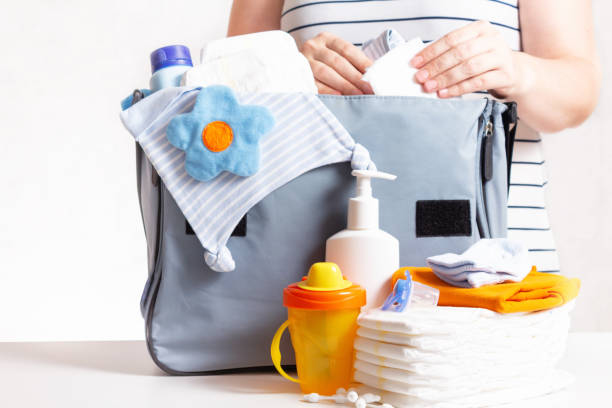
A good diaper bag does not need to be huge. It needs to be organized. Brooklyn parents often prefer bags with easy-access pockets, wipeable interiors, insulated bottle space, and enough room for diapers, wipes, a change of clothes, burp cloth, pacifier, small toy, and parent essentials. Backpack-style diaper bags are popular because they leave both hands free, which is helpful when handling a stroller, carrying groceries, or walking through busy sidewalks.
The best diaper bag setup is often built through experience. Parents may start with too much and slowly reduce it to what they actually use. A small wet bag, extra shirt, changing pad, and spare pacifier can be lifesavers. But packing too much can make every outing feel heavy. A thoughtful bag supports city movement without becoming a burden.
What Brooklyn Parents Often Skip
Just as important as knowing what to buy is knowing what to skip. Many parents say they did not need every gadget marketed as essential. Oversized swings, duplicate loungers, wipe warmers, specialty organizers, and decorative nursery extras may not be necessary for every family. Some products also need extra caution because babies should not sleep in inclined seats, swings, loungers, or soft surfaces. Safe sleep guidance should always come before convenience or marketing claims.
Parents often recommend waiting before buying certain items. The baby’s temperament, feeding style, sleep habits, apartment layout, and family routine will shape what is actually useful. A product that feels essential before birth may not matter much later. A simple, flexible setup gives parents room to learn without wasting money or space.
Choosing Essentials With Confidence
The top-rated baby essentials among Brooklyn parents usually have a few things in common. They are safe, practical, easy to clean, easy to store, and useful in real daily routines. They support sleep, feeding, diapering, bathing, movement, and home safety without overwhelming the family. Parents do not need to build a perfect nursery or buy every trending product. They need a setup that helps them care for the baby with less stress and more confidence.
For families building a safer and more practical baby checklist, safe baby products are a strong place to start. Brooklyn parenting often requires smart choices because space, time, and energy are limited. The best essentials are the ones parents reach for again and again because they truly make life easier. When a product supports safety, comfort, cleaning, and everyday use, it earns its place in the home.