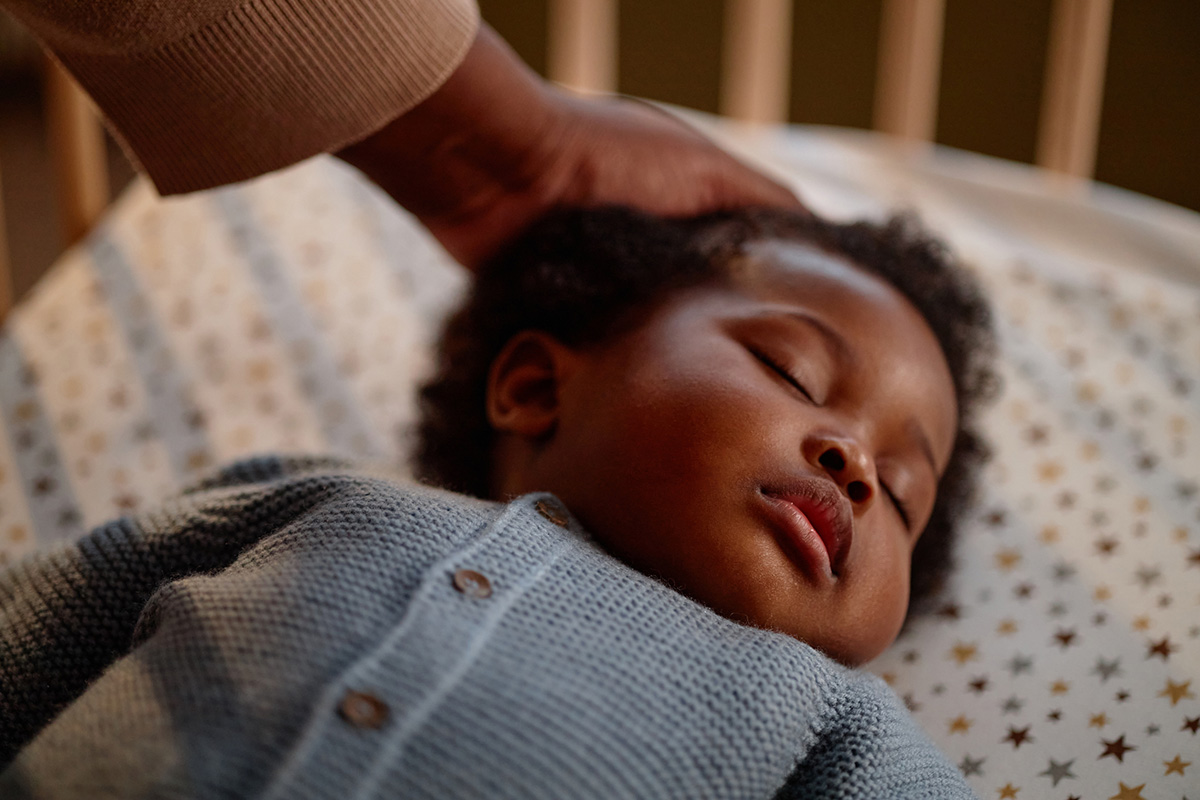
Safe sleep can sound complicated when you first start reading about it. New parents often hear phrases like “firm flat surface,” “bare crib,” “back to sleep,” and “room-sharing without bed-sharing.” These are important rules, but they can also feel a little cold or confusing when you are tired, holding a sleepy baby, and just trying to make the right choice.
In normal language, safe sleep means this: your baby sleeps on their back, on a firm and flat mattress, in their own clear sleep space, with no loose blankets, pillows, toys, bumpers, or soft extras around them. That simple setup may not look as cozy as a photo from a baby catalog, but it is the safer choice.
At Trusted For Baby, we believe baby safety advice should be easy to understand and easy to use in real homes. Whether your baby sleeps in a crib, bassinet, or play yard, the goal is the same: keep the sleep space simple, clear, and designed for infant sleep.
Start With the Main Rule: Back to Sleep
The first and most repeated safe sleep rule is to place your baby on their back for every sleep. That means nighttime sleep and daytime naps. It also means even if your baby only seems like they will sleep “better” on their side or tummy, the safer position is still on the back.
The American Academy of Pediatrics safe sleep guidance recommends back sleeping because it helps reduce sleep-related risks for infants. This is one of the clearest and most important steps parents can take.
Some parents worry that a baby sleeping on their back may spit up. This is a common fear, but healthy babies are generally able to protect their airway while sleeping on their back. If your baby has a medical condition or your doctor gives different advice, follow your pediatrician’s guidance. But for most babies, back sleeping is the standard safe sleep position.
The Sleep Surface Should Be Firm and Flat
A safe baby sleep space should not feel like an adult pillow, soft couch, cushion, or plush mattress topper. It should be firm, flat, and made for infant sleep. A crib mattress, bassinet mattress, or play yard mattress should fit properly with no large gaps around the edges.
The CDC safe sleep advice also explains that babies should sleep on a firm, flat surface that is not inclined. In simple words, the mattress should not be tilted, sloped, or propped up.
This matters because soft or angled surfaces can make it harder for a baby to stay in a safe position. Babies do not have the same head, neck, and body control as older children. They can move into a risky position and may not be able to move themselves back.
For parents setting up a nursery, the safest approach is to keep the sleep setup basic. You can find more practical setup ideas on the Sleep & Nursery page, especially if you are choosing between a crib, bassinet, or other sleep product.
A Bare Crib Is Not “Empty” — It Is Safe
Many parents feel like a bare crib looks unfinished. No blanket, no pillow, no stuffed animal, no decorative bumper — it can look too plain at first. But for a baby, plain is the point.
A safe sleep space should usually include only:
A firm mattress
A fitted sheet
The baby, placed on their back
That is it.
No pillows. No loose blankets. No plush toys. No crib bumpers. No positioners. No loungers. No nursing pillows. No decorative cushions.
The CPSC safe sleep information gives the same message clearly: babies should sleep flat on their back without pillows, blankets, or toys in the sleep space. These items may look soft and comforting, but they can create breathing, overheating, or entrapment risks.
If you are worried your baby will be cold, use baby sleep clothing instead of loose bedding. A wearable sleep sack can be a better option than a blanket, as long as it fits properly and is suitable for your baby’s age and size.
Do Not Use Sleep Products That Are Not Actually for Sleep
One confusing part of baby shopping is that many products look like sleep products, but they are not safe for unsupervised sleep. Baby loungers, swings, bouncers, nursing pillows, car seats outside the car, and soft nests may seem comfortable, but they are not the same as a crib, bassinet, or play yard.
If your baby falls asleep in a swing, bouncer, or car seat after travel, move them to a safe sleep space as soon as you can. These products can put a baby at an angle, and angled sleep is not the same as flat sleep.
This is also why parents should be careful with product labels. Words like “cozy,” “soothing,” “supportive,” or “baby approved” do not always mean safe for sleep. Before buying, check whether the item is actually intended for infant sleep. The Safe Baby Products guide can help parents think more carefully about what belongs in a baby’s daily routine and what should be avoided.
Room-Sharing Is Different From Bed-Sharing
Safe sleep advice often says parents can share a room with the baby, but not the same sleep surface. This means the baby can sleep in a crib, bassinet, or play yard near your bed, but not in your bed.
Room-sharing can be helpful because the baby is close enough for feeding, soothing, and checking. But bed-sharing can add risks because adult beds are not designed for infant sleep. Adult mattresses are usually softer. They may have pillows, blankets, comforters, gaps, headboards, or other people in the bed. A baby can become trapped, covered, or positioned unsafely.
This can be hard to hear, especially when parents are exhausted. Many families bring the baby into bed for feeding and then accidentally fall asleep. A practical safety step is to plan ahead. If you are feeding at night, try to do it in a way that helps you stay awake. Keep pillows, blankets, and soft items away from the baby during feeding. After feeding, place the baby back in their own sleep space.
Keep the Baby Comfortable Without Overheating
Safe sleep is not only about where the baby sleeps. It is also about temperature. Babies should be dressed comfortably, but not overheated. A good rule is to dress your baby in a similar number of layers to what an adult would find comfortable in the room.
Signs of overheating can include sweating, damp hair, flushed skin, or feeling very warm on the chest or back. Hands and feet can feel cooler than the rest of the body, so they are not always the best way to judge temperature.
Avoid heavy blankets, thick hats indoors, and too many layers during sleep. If you use a sleep sack, choose one that matches the room temperature. The goal is warm enough, not bundled like winter outdoors.
Parents living in apartments, older homes, or city buildings may also deal with temperature swings, dry air, or uneven heating. For more general home-safety thinking, the Home Toxin Reduction page shares helpful ideas for making baby spaces cleaner and more comfortable.
Safe Sleep During Feeding Nights
Newborn life often means feeding, burping, changing, and trying to sleep in short pieces. During those tired nights, safe sleep habits can become harder to follow. That is why the setup matters so much.
Before night begins, make sure the baby’s sleep space is already clear. Keep diapers, wipes, bottles, burp cloths, and feeding supplies nearby but not inside the crib or bassinet. If you bottle feed, organize supplies in a simple way so you are not searching while tired. The Feeding Gear page can help parents choose practical feeding items without overloading the home with unnecessary products.
After feeding, always return the baby to their safe sleep space. Even if the baby wakes when you put them down, it is still better to keep the sleep routine safe and consistent.
What About Swaddling?
Swaddling is common for newborns, but it must be done carefully. A swaddle should not be too loose, too tight around the hips, or able to cover the baby’s face. Once a baby shows signs of trying to roll, swaddling should stop because the baby needs their arms free.
Not every baby needs swaddling. Some babies sleep better in a simple wearable blanket or sleep sack. The main point is that whatever your baby wears for sleep should not create loose fabric around the face, neck, or body.
Safe Sleep Is Simple, Not Fancy
A safe baby sleep space does not need expensive decoration. It does not need matching pillows, crib quilts, stuffed animals, or trendy accessories. In fact, many of the prettiest nursery photos online are not showing safe sleep setups.
A real safe sleep setup may look plain, but it is doing exactly what it should do. It gives your baby a firm, flat, clear space where they can sleep on their back without extra items around them.
Safe sleep in normal language means:
Back for every sleep.
Firm and flat mattress.
Baby’s own sleep space.
Fitted sheet only.
No pillows, blankets, toys, bumpers, or soft extras.
No sleeping in loungers, swings, bouncers, or inclined products.
Room-share if you want, but do not bed-share.
Final Thoughts
Safe sleep is not about being a perfect parent. It is about making the sleep space as safe as possible, one nap and one night at a time. Babies do not need a fancy crib setup. They need a clear, firm, flat place to rest.
When you understand the rules in normal language, safe sleep becomes easier to follow. Keep the crib simple. Put your baby on their back. Use products designed for infant sleep. Remove anything soft or loose. And when you are unsure, choose the plain, clear, boring-looking setup — because for baby sleep, boring is usually safer.
For more parent-friendly baby safety guides, visit the Trusted For Baby Blog and explore more practical tips for safer baby products, nursery setup, feeding gear, and everyday home safety.