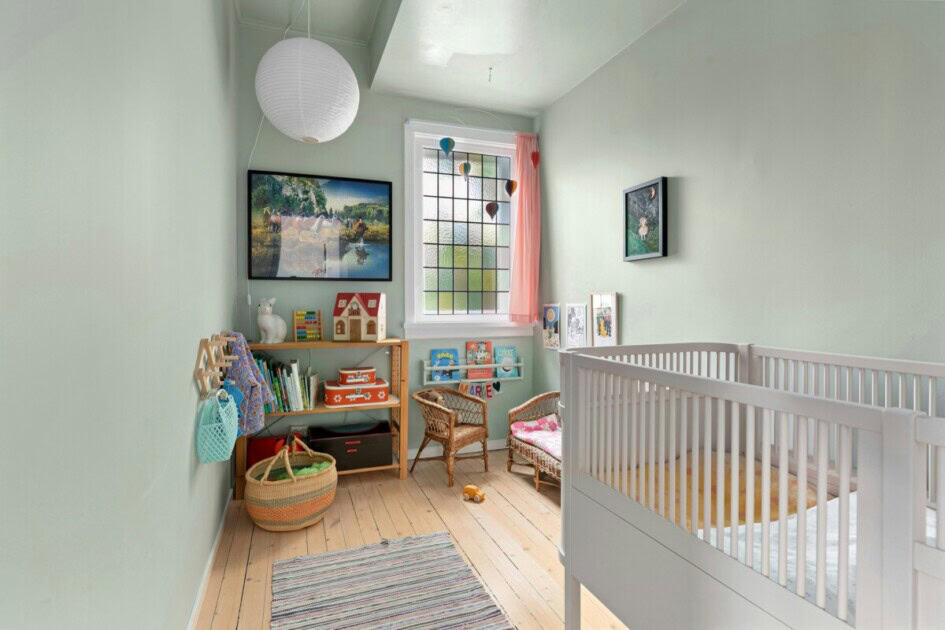
Small nurseries can work beautifully when they are organized with real life in mind. You do not need a large room, custom closet, or expensive storage system to create a safe and useful baby space. What you need is a simple setup where the most important items are easy to reach, clutter is controlled, and the baby’s sleep area stays clear.
Tight spaces can actually make nursery planning easier because they force you to focus on what you truly use. A small nursery, shared bedroom, apartment corner, or compact baby zone should support four daily needs: sleep, diaper changes, feeding, and clothing storage. If your setup handles those four things well, you are already doing most of what matters.
The biggest mistake parents make in tight spaces is trying to fit a full-size nursery into a room that was never meant for it. Instead of adding more furniture, think smaller, smarter, and more flexible.
Start With the Sleep Space
Before organizing clothes, toys, diapers, or decor, choose the safest place for your baby to sleep. The crib, bassinet, or play yard should be placed away from cords, curtains, heaters, windows, shelves, and anything that could fall into the sleep area.
The CPSC Safe Sleep guidance reminds parents that a baby’s sleep space should stay bare, with nothing but a fitted sheet. That means the crib is not a storage bin. It should not hold blankets, laundry, toys, pillows, extra diapers, or baby gear during the day. If you get into the habit of storing things in the crib, something may accidentally be left behind at nap time or bedtime.
In a tight nursery, this rule matters even more. The crib may be the largest open surface in the room, so it can become a tempting place to drop things. Try to protect it as a sleep-only zone from the beginning.
For more safe setup ideas, visit the Sleep & Nursery page.
Use Zones Instead of Furniture Sets
A small baby space does not need a matching furniture set. It needs zones. A sleep zone, changing zone, feeding zone, and storage zone can all exist in one small corner if planned carefully.
The sleep zone is the crib, bassinet, or play yard.
The changing zone can be a dresser top, changing pad, or floor mat.
The feeding zone can be a small basket, cart, or chair area.
The storage zone can be drawers, bins, shelves, or closet space.
When you organize by zones, you avoid buying furniture just because it looks like it belongs in a nursery. A full changing table may not be necessary if a dresser can do the same job. A large bookshelf may not be needed if a few baskets hold the daily items.
Choose Double-Duty Pieces
In tight spaces, every piece of furniture should earn its place. A dresser can store clothes and work as a changing station. A rolling cart can hold diapers during the day and feeding supplies at night. A storage bench can hold backup wipes or blankets outside the crib. A crib with safe built-in storage underneath may help if the design is sturdy and easy to clean.
Before buying anything, ask: Will this solve a daily problem? If the answer is no, skip it for now.
Parents often receive or buy too many baby products before knowing what their baby actually likes. Start with essentials, then add only what you truly need. The Safe Baby Products guide can help you think more carefully about practical baby items and avoid unnecessary clutter.
Use Drawer Dividers for Tiny Clothes
Baby clothes are small, which means they can become messy fast. Drawer dividers are one of the easiest nursery organization tools. They help separate onesies, sleepers, socks, bibs, burp cloths, hats, and swaddles.
Instead of stacking baby clothes high, fold them so you can see each item from the top. This makes it easier to grab what you need without digging through a pile. Keep only the current size in the main drawer. Store larger sizes in labeled bins elsewhere.
A simple system might look like this:
Top drawer: diapers, wipes, creams, burp cloths
Second drawer: daily outfits and sleepers
Third drawer: extra sheets, sleep sacks, towels
Bottom drawer: backup supplies or next-size clothing
When the baby grows, rotate sizes quickly. Small nurseries feel crowded when outgrown clothes stay in the daily area too long.
Keep Diaper Supplies Within One Reach
A changing area should be organized for safety and speed. When changing a baby on a raised surface, you should not need to step away for wipes, cream, or a clean diaper. Keep the essentials within arm’s reach, but out of the baby’s reach as they grow.
Use a small basket or drawer for diaper supplies. Avoid placing too many products on top of the dresser. A crowded changing surface can become messy and unsafe.
Daily diaper items may include diapers, wipes, diaper cream, hand sanitizer for adults, a few burp cloths, and a clean outfit. Backup diapers and extra wipes can be stored under the crib, in a closet, or in a separate bin.
If space is extremely limited, use a foldable changing mat and a portable diaper caddy. This lets you change the baby safely on the floor and store supplies when not in use.
Make Feeding Supplies Portable
Feeding items can spread through a small home quickly. Bottles, burp cloths, bibs, pump parts, pacifiers, and cleaning items all need a place. Instead of giving every item a separate drawer, create a feeding basket or cart.
A portable feeding basket can move from bedroom to living room and back again. Keep only the supplies needed for the next few feeds. Store extra bottles, formula, pump parts, or backup items in the kitchen or a higher cabinet.
For help choosing useful feeding items without overcrowding your home, visit the Feeding Gear page.
Use Vertical Storage Carefully
Walls can help when floor space is limited, but safety matters. Floating shelves, wall hooks, and over-the-door organizers can be useful, but they should not be placed directly above the crib or changing area if anything could fall.
Use vertical storage for lightweight items like diapers, small towels, extra sheets, or soft baskets. Secure shelves properly. Anchor tall furniture when needed. Keep creams, medicine, small objects, and cleaning supplies out of reach.
A good rule is this: storage should make the room safer and easier, not create new hazards.
Label Bins by Purpose
Labels may seem unnecessary, but they help a lot when space is tight. When every bin has a clear purpose, you are less likely to create random piles.
Use simple labels like:
Newborn clothes
Next size
Extra diapers
Sheets and sleep sacks
Bath items
Travel bag supplies
Outgrown clothes
This helps other family members too. If someone is helping with the baby, they can find items without opening every drawer.
For bath and body storage, keep baby wash, towels, washcloths, and grooming items together. You can find more related tips on the Bath & Body Care page.
Rotate Toys Instead of Displaying Everything
Babies do not need all their toys available at once. In a small nursery, too many toys create clutter and collect dust. Keep a few age-appropriate items accessible and store the rest in a bin.
Rotate toys every week or two. This keeps the space fresh without overcrowding the room. As your baby grows, this habit also makes cleanup easier.
Do not store toys in the crib. Even soft toys should stay out of the sleep space for babies. Use a basket on the floor, a shelf away from the crib, or a drawer instead.
Control Moisture in Small Spaces
Small nurseries can trap moisture, especially if the room has poor airflow, old windows, or shared walls. Moisture can lead to musty smells and mold concerns. The CDC mold guidance recommends keeping indoor humidity as low as practical and no higher than 50% throughout the day.
A small humidity meter can help you understand the room. If the nursery feels damp, use ventilation, fix leaks quickly, avoid drying laundry in the room, and keep furniture slightly away from walls when possible so air can move.
Do not pack storage bins so tightly that air cannot circulate. Avoid storing baby bedding in damp closets or near windows with condensation. If something smells musty, wash it before using it near the baby.
For more healthy home ideas, visit the Home Toxin Reduction page.
Create a Nighttime Basket
A nighttime basket can make a small nursery much easier to use. Keep it near the baby’s sleep area but not inside the crib or bassinet. It can hold diapers, wipes, burp cloths, a clean sleeper, and anything else you commonly need at night.
The goal is to avoid turning on bright lights, opening several drawers, or walking around half-asleep while holding the baby. Keep the basket simple and reset it each evening.
Do a Weekly Reset
Small spaces need regular editing. Once a week, spend a few minutes removing items that do not belong. Move outgrown clothes to storage. Refill diapers. Wash used sheets. Return feeding items to the kitchen. Empty trash. Clear surfaces.
This small reset keeps the nursery from becoming overwhelming. It also helps you notice what you are actually using and what is only taking up space.
Final Thoughts
A tight nursery can be safe, calm, and easy to use when it is organized around real daily needs. Start with the sleep space and keep it clear. Use zones instead of large furniture sets. Choose double-duty pieces. Keep diapers, feeding supplies, clothes, and bedding organized in simple systems.
The best small nursery is not the one with the most storage bins. It is the one where every item has a place, every daily task is easier, and the baby’s sleep area stays safe. With smart organization, even a tiny corner can become a peaceful baby space.
For more practical baby safety and home setup guides, visit the Trusted For Baby Blog and explore simple ways to make baby care easier in real homes.