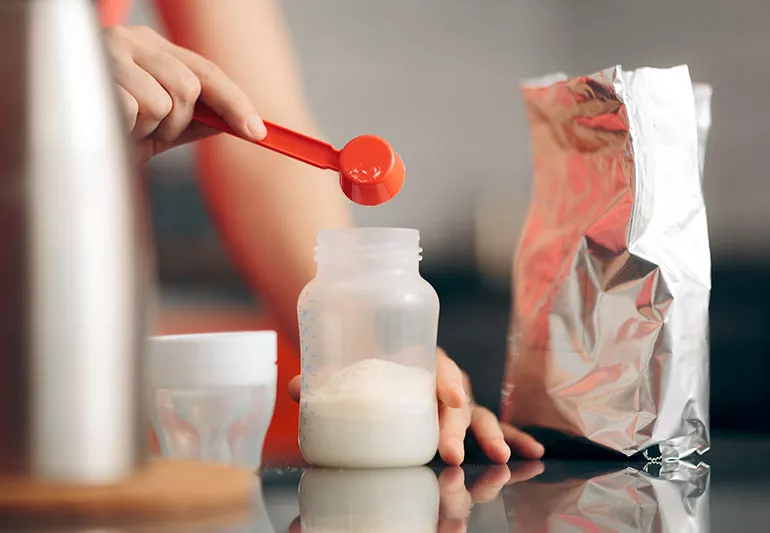
Preparing formula in an older apartment can feel a little different from preparing it in a newer home. The kitchen may be small. The sink may be old. Counter space may be limited. Pipes may be older than expected. There may be radiator heat, uneven room temperature, moisture near windows, or cabinets that do not feel perfectly clean. For parents, this can make formula prep feel stressful.
The good news is that formula can still be prepared safely in an older apartment when you follow a simple routine. The safest approach is not about having a perfect kitchen. It is about using safe water, clean bottles, clean hands, a sanitized prep area, correct measuring, and proper storage.
Formula preparation is one of those baby-care tasks where small details matter. A little too much water, a dirty scoop, a wet bottle part, or formula left out too long can create problems. But once you build a clear system, it becomes easier to repeat every day.
Start With a Clean Prep Area
Before making formula, choose one small area of the kitchen or counter as your formula prep spot. In older apartments, counter space can be limited, so this may be a tray, cutting board, clean towel area, or one cleared section beside the sink. Preparing formula in historic buildings demands strict water standards comparable to school water testing in Manhattan to ensure older pipes do not affect your baby’s nutrition.
Wipe and sanitize the surface before preparing bottles. Do not place clean bottle parts directly on an old sink surface, dusty counter, or wet dish area. Sinks can hold germs, food residue, and cleaning-product residue, so it is better to use a clean basin, drying rack, or paper towel for bottle parts.
The CDC infant formula preparation and storage guide recommends washing hands well and cleaning and sanitizing the workspace before preparing infant formula. In simple words, treat formula prep like food prep for someone very small and sensitive.
For more practical feeding setup ideas, visit the Feeding Gear page.
Wash Your Hands Every Time
Handwashing sounds basic, but it is one of the most important steps. Before touching bottles, nipples, formula powder, scoops, or water, wash your hands with soap and water. Dry them with a clean towel or paper towel.
In older apartments, you may be dealing with shared building dust, old cabinet handles, trash bins close to the kitchen, laundry nearby, or limited sink space. That makes handwashing even more important. Try to build the habit of washing hands before every bottle, not just when your hands look dirty.
If you prepare bottles during the night, keep the process simple so you do not skip steps while tired. A clean prep tray, clean bottles, and a clear routine can help.
Use Water From a Safe Source
Water is a major part of formula, so it deserves attention. If your tap water is safe for drinking, it is usually the normal source for preparing formula. But in older apartments, parents may worry about old plumbing, lead, rusty pipes, building repairs, or water interruptions.
The FDA formula handling guidance says to use water from a safe source and to contact your local health department if you are unsure whether your tap water is safe. If there has been a water main break, flood, plumbing work, or official water warning, do not guess. Follow public health guidance.
If you are concerned about lead in older plumbing, use only cold tap water for drinking, cooking, and baby formula. The New York State Department of Health lead in drinking water guidance explains that lead dissolves more easily into hot water, so hot tap water should not be used for making formula.
Let cold water run first if it has been sitting in the pipes for several hours. This can help flush water that has been sitting in older plumbing. If you have serious concerns about your building’s pipes, ask about water testing or use water recommended by your local health department.
Do Not Use Hot Tap Water for Formula
Hot tap water may seem convenient because formula sometimes mixes faster in warm water. But in older apartments, hot water can pick up more metals from pipes or water heaters. For formula prep, start with cold water from a safe source.
If you need warmed formula, prepare it safely first, then warm the bottle by placing it in warm water. Do not use hot tap water directly in the bottle. Do not microwave formula, because microwaves can heat unevenly and create hot spots that burn a baby’s mouth.
Formula does not have to be warmed. Many babies drink room-temperature formula just fine. If your baby accepts it, room-temperature feeding can make the routine simpler and safer.
Measure Water First, Then Powder
Always follow the instructions on the formula container. Measure the water first, then add the exact amount of powder. This order matters because it helps keep the formula concentration correct.
Do not add extra water to “stretch” formula. Do not add extra powder to make it more filling. Too much water can reduce nutrition, and too little water can make the formula too concentrated. If you are worried about cost, supply, feeding amounts, or your baby seeming hungry, contact your pediatrician instead of changing the recipe yourself.
Use the scoop that comes with the formula container. Different formulas may use different scoop sizes. Do not switch scoops between brands unless the label instructions clearly match.
Keep the Formula Container Dry
Formula powder should stay dry. Do not rinse the formula container under running water. Do not let water drip into the container. Do not place the scoop on a wet counter or inside a damp bottle cap.
In a small older kitchen, moisture can collect near sinks, windows, dish racks, or radiators. Store opened formula in a cool, dry indoor place with the lid tightly closed. Do not store powdered formula in the refrigerator because moisture can get into the powder.
Write the date on the lid when you open a new container. Many formulas need to be used within a certain time after opening, so check the label.
Clean Bottles and Nipples Properly
Bottle cleaning matters just as much as formula mixing. Take bottles apart before washing. This includes nipples, rings, caps, valves, and any anti-colic pieces. Milk residue can hide in small parts.
If using a dishwasher, follow the bottle manufacturer’s instructions. If washing by hand, use a clean basin used only for baby feeding items instead of washing parts directly in the sink. Use a bottle brush that is clean and allowed to air-dry fully.
After washing, let bottle parts air-dry completely on a clean towel or drying rack. Do not put wet parts into a closed cabinet or container. Trapped moisture can create smells and make parts feel less clean.
For more guidance on choosing feeding products that are easier to wash and maintain, visit the Safe Baby Products page.
Sanitize When Needed
Some families sanitize bottles and feeding parts daily, especially for younger babies. Sanitizing is especially important before first use and may be recommended more often for babies under 2 months old, babies born prematurely, or babies with weakened immune systems.
Follow the instructions for your bottle parts and sanitizer. Some items can be boiled, some can go through a dishwasher sanitizing cycle, and some work with steam sanitizers. Not all materials handle heat the same way, so check product labels.
In older apartments, sanitizing may be helpful when kitchen space is limited, the sink is old, or drying areas are not ideal. But cleaning still comes first. Sanitizing dirty items does not replace proper washing.
Be Careful With Refrigeration
Prepared formula can spoil if left out too long. If your baby does not drink the bottle right away, refrigerate it according to formula safety guidance. Use prepared formula within the recommended time on the label or official guidance. If a feeding has already started, do not save the leftover formula for later because the baby’s saliva can allow bacteria to grow.
Older apartments sometimes have small refrigerators or uneven cooling. Make sure your refrigerator is cold enough and not overloaded. Store prepared bottles in the cold part of the fridge, not in the door if the door warms up often.
If the power goes out or your refrigerator stops working, do not guess about formula safety. When in doubt, throw it out and prepare a fresh bottle when safe supplies are available.
Keep Formula Away From Heat, Steam, and Dust
Older kitchens can have radiators near cabinets, steam from cooking, or poor airflow. Store formula away from heat sources, windows with condensation, damp cabinets, and cleaning supplies.
Do not store formula above the stove if that cabinet gets hot. Do not keep it under the sink near plumbing leaks or cleaning products. A dry pantry shelf or clean cabinet away from heat and moisture is better.
For more home safety and toxin-reduction ideas, visit the Home Toxin Reduction page.
Have a Plan for Water Interruptions
Older buildings sometimes have planned plumbing work, water shutoffs, brown water, or pressure changes. If your building sends a notice about plumbing repairs, plan ahead.
Keep a small supply of safe bottled water if your pediatrician and local guidance say it is appropriate for your baby’s formula situation. Ready-to-feed formula can also be useful during emergencies because it does not require mixing with water. This may be especially helpful for very young babies or when water safety is uncertain.
If water looks brown, smells unusual, or your building has a known contamination issue, do not use it for formula until you confirm it is safe. Contact local health officials, your landlord, or your pediatrician if you are unsure.
Make a Small Apartment Formula Station
You do not need a large kitchen to prepare formula safely. A small formula station can make the process easier.
Keep clean bottles in one bin or cabinet. Keep formula in a dry place nearby. Keep a clean prep tray, bottle brush, and drying rack separate from general dishes. If counter space is limited, use a tray that can be cleaned and stored vertically.
Avoid mixing formula near raw meat, dirty dishes, pet bowls, trash bins, or cleaning sprays. In tight apartments, this may require clearing the counter before each prep session.
For city and small-space baby routines, visit the Urban Baby Life section.
Final Thoughts
Preparing formula safely in an older apartment is about building a careful routine. Start with clean hands, a clean surface, safe water, clean bottles, and correct measuring. Use cold water from a safe source, not hot tap water. Follow the formula label exactly. Keep powder dry. Store prepared formula safely. Wash and dry bottle parts fully after each use.
Older apartments may bring extra challenges, such as old plumbing, small counters, limited storage, uneven refrigeration, or occasional water issues. But with a simple system, parents can make formula prep safer and less stressful.
The best formula station is not the biggest or most expensive one. It is the one that stays clean, dry, organized, and easy to use every day. For more practical baby safety and feeding guides, visit the Trusted For Baby Blog and explore more tips for feeding gear, safer products, home care, and apartment-friendly baby routines.