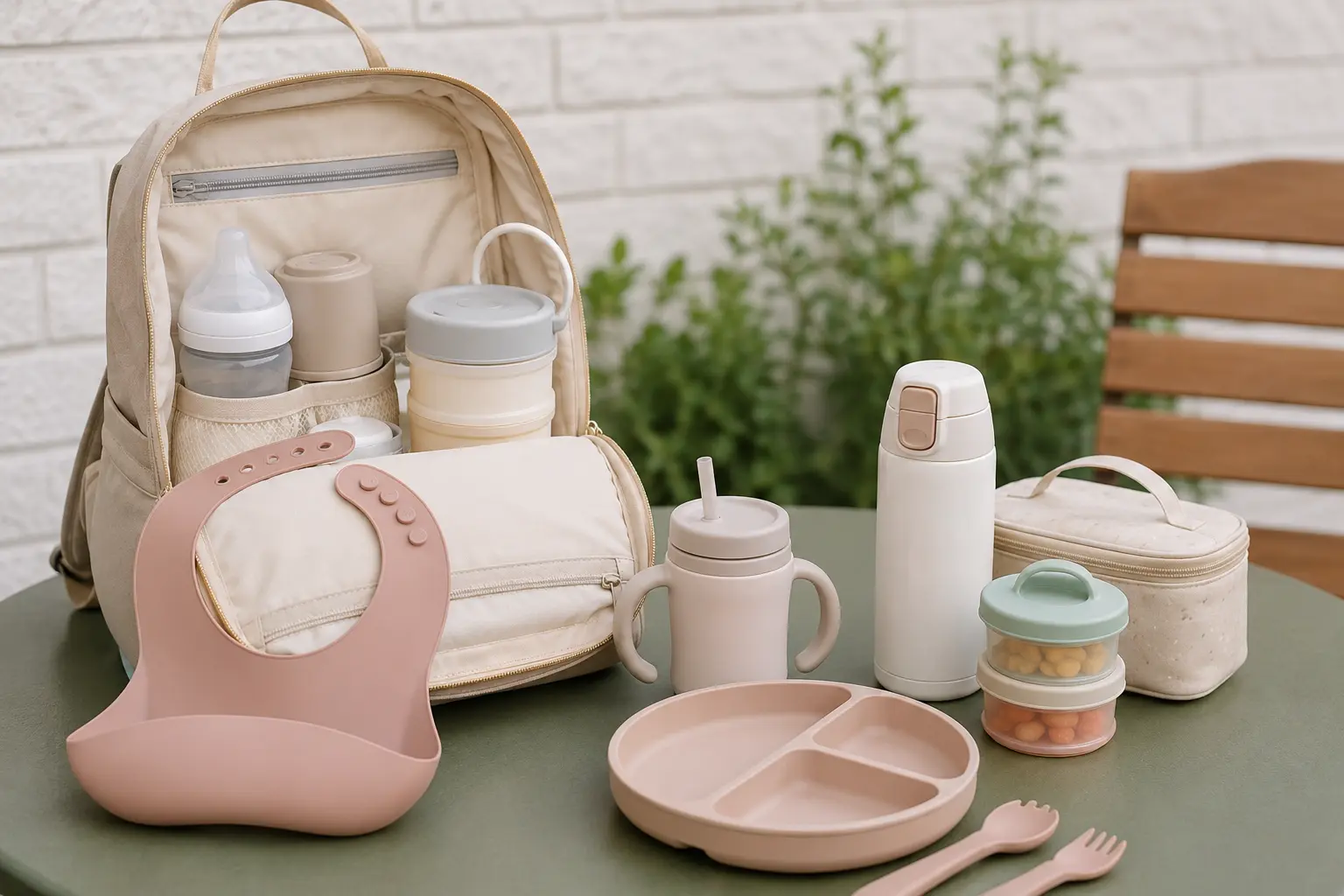
Queens families know how to make small spaces work. A baby feeding setup in Astoria, Jackson Heights, Forest Hills, Long Island City, Flushing, or Sunnyside may look very different from a large suburban kitchen. Some families have narrow counters, shared dining areas, small refrigerators, limited cabinet space, or a stroller parked near the kitchen because there is nowhere else for it to go.
That does not mean feeding has to feel messy or unsafe. Many apartment parents create simple systems that make bottles, formula, pump parts, bowls, bibs, and baby utensils easier to manage. The best feeding gear setup is not the one with the most products. It is the one that keeps clean items clean, dirty items separate, and daily supplies easy to reach.
Think of these as practical Queens-style feeding setups parents can copy, adjust, and make their own.
The One-Shelf Bottle Setup
One of the simplest feeding setups is a single dedicated shelf for bottles and feeding parts. This works well in small apartments where cabinet space is limited.
The idea is simple: choose one clean shelf, drawer, or bin only for baby feeding items. Keep bottles, nipples, caps, rings, pacifiers, and small feeding tools in that one area. Do not mix them with random kitchen tools, snack bags, cleaning products, or adult water bottles.
The CDC guidance on cleaning, sanitizing, and storing infant feeding items recommends taking apart bottle parts before cleaning and letting items air-dry fully before storage. A dedicated shelf helps because clean parts are not tossed into a crowded drawer while still damp.
For parents comparing bottle types, nipples, and everyday feeding tools, the Feeding Gear page is a helpful place to start.
The Counter Tray System
Many Queens kitchens do not have much counter space, so leaving bottles and formula spread out all day may not work. A counter tray system can help.
Use one washable tray as your feeding prep zone. Before making bottles or preparing baby food, clean the tray and place only the items you need on it. After feeding prep is done, wash the tray and store it upright or slide it into a cabinet.
This works especially well if your kitchen counter is shared with cooking, mail, keys, groceries, or school items. The tray creates a clean boundary. It says, “This is the baby feeding area right now.”
A tray can hold a bottle, formula container, clean scoop, burp cloth, and bottle cap during prep. It can also be used for baby bowls and spoons during solids. The goal is to keep baby feeding items away from raw food, dirty dishes, and general kitchen clutter.
The Formula Corner
For formula-feeding families, a small formula corner can make daily prep much easier. This does not need to be fancy. It can be one cabinet shelf, one basket, or one small section of the counter.
Keep the formula container in a cool, dry place. Keep the scoop inside the container if that is how the product is designed, and avoid placing it on a wet counter. Store clean bottles nearby, but do not keep formula powder beside the sink where moisture can get in.
The FDA guide on handling infant formula safely explains that parents should follow the formula label, use safe water, and handle formula carefully. In a small apartment, this means keeping the formula area dry, clean, and away from heat, steam, and cleaning products.
If your apartment has older plumbing or you worry about water quality, follow local guidance and ask your pediatrician if you are unsure. Do not use hot tap water directly for formula. Start with safe cold water and prepare formula exactly as directed on the label.
For more home safety tips around water, cleaning, and everyday exposure, visit the Home Toxin Reduction section.
The Rolling Cart Setup
A rolling cart can be a lifesaver in small apartments. It lets parents move feeding supplies between the kitchen, bedroom, and living room without creating piles in every room.
A simple three-tier cart might look like this:
Top shelf: clean burp cloths, bibs, pacifiers, and daily bottles
Middle shelf: formula container, feeding spoons, bowls, and snack cups
Bottom shelf: backup wipes, extra bibs, and a small wet bag for used items
The key is not to overload it. A crowded cart becomes hard to clean and easy to knock into. Keep only daily-use items on it. Store bulk supplies somewhere else.
For parents in apartments where the baby sleeps in the bedroom but feeds in the living room or kitchen, this setup can make nighttime and early morning feeds easier. For more apartment-friendly baby ideas, visit Urban Baby Life.
The Tiny-Kitchen Drying Station
Drying baby feeding items can take over a small kitchen. Bottles, nipples, caps, pump parts, spoons, bowls, and pacifiers all need space to dry fully.
A compact drying rack or clean drying mat can help, but it should be placed somewhere away from splashing, raw food, trash, and dirty dishes. Avoid drying bottle parts directly inside the sink. The sink can hold germs and food residue.
If you have almost no counter space, choose a vertical drying rack or a drying mat that can be washed and put away. Let all parts dry fully before storing them. Damp bottle parts sealed in a container can develop musty smells.
A simple rule helps: clean, dry, then store. Do not rush the drying step just because the kitchen is small.
The “Clean and Dirty” Bin Method
One common apartment problem is that clean and dirty feeding items get mixed together. A used spoon goes into the diaper bag. A pacifier falls on the floor. A half-used bottle cap ends up beside clean nipples. By the end of the day, nobody knows what is clean.
The clean-and-dirty bin method fixes this. Keep one small bin or pouch for clean feeding items and another clearly separate one for used items. This works especially well for daycare bags, stroller baskets, and weekend visits to grandparents.
For example, clean pacifiers can go in a small case. Used pacifiers go into a separate washable pouch. Clean spoons go into the feeding bag. Used spoons go into a different container until they can be washed.
This system is simple, but it prevents a lot of confusion.
The Solids Starter Drawer
When babies begin solids, parents often buy too many plates, bowls, bibs, snack cups, and utensils at once. A better Queens-apartment setup is a small solids starter drawer.
Keep only the basics:
Two or three baby spoons
One or two easy-clean bowls
A few bibs
A small cup when age-appropriate
A wipeable mat or high chair tray cover if useful
The CDC guide on fingers, spoons, forks, and cups explains that babies gradually learn to use fingers, spoons, forks, and cups as they grow. Parents do not need a full toddler dining set immediately. Start with what your baby can use now.
As your baby grows, add items slowly. If a product is hard to clean, smells strange, cracks, or takes up too much space, replace it or remove it.
The High Chair Zone
In many Queens apartments, the high chair sits in a kitchen corner, beside a dining table, or even near the living room because space is limited. Wherever it goes, try to create a small high chair zone.
Keep wipes, bibs, a washcloth, and one or two utensils nearby. Do not keep heavy items, hot drinks, cords, or cleaning sprays within the baby’s reach. If the high chair folds, choose a storage spot that does not block walkways.
After each meal, wipe the tray, straps, seat, and floor area. Food can hide in seams and corners. If your high chair has removable parts, clean them regularly according to the product instructions.
For safer baby product choices and cleaning-friendly gear, visit the Safe Baby Products page.
The Fridge Door Rule
Prepared formula, breast milk, and baby food need careful storage. A small refrigerator can become crowded quickly, especially in apartments where the fridge is shared by the whole family.
Try not to store important baby feeding items in the warmest, most crowded parts of the fridge. The door is often opened frequently, so it may not be the best place for prepared bottles or perishable baby food. Use a clean bin inside the fridge to separate baby items from leftovers, raw ingredients, and strong-smelling foods.
Label containers when needed. Use prepared formula and stored foods within safe time limits. When in doubt, throw it out.
The Diaper-Bag Feeding Kit
Queens parents are often on the move: subway rides, walks to the park, daycare drop-offs, family visits, appointments, errands, and stroller walks. A small feeding kit inside the diaper bag can prevent mess and stress.
A simple kit may include a clean bib, spoon, small snack container, clean pacifier case, burp cloth, and a separate pouch for used items. If carrying bottles, keep them according to safe storage guidance and avoid leaving milk or formula sitting too long at unsafe temperatures.
Do not let the diaper bag become permanent storage. Empty it at the end of the day. Wash used feeding items, throw away old food, and restock clean supplies.
The Night Feed Basket
Night feeds are easier when supplies are ready before bedtime. A night feed basket can stay near the parent’s bed, but not inside the crib or bassinet.
Depending on your feeding method, it may hold burp cloths, bibs, clean pacifiers, a water bottle for the parent, and any feeding items that are safe to keep at room temperature. Prepared formula or milk should not sit out beyond safe limits, so store those properly.
Keep the basket small. The purpose is to reduce nighttime searching, not create clutter beside the baby’s sleep area.
Final Thoughts
Queens parents do not need huge kitchens or perfect nurseries to create safe, clean feeding setups. A one-shelf bottle system, counter tray, rolling cart, small drying station, solids drawer, high chair zone, and diaper-bag kit can make daily feeding much easier.
The best setup is the one you can actually maintain. Keep clean and dirty items separate. Let feeding parts dry fully. Store formula in a dry place. Use safe water. Choose baby products that are easy to wash and inspect. Avoid buying too many items before you know what your baby needs.
Feeding gear should support your routine, not take over your apartment. With a few simple systems, even a small Queens kitchen can feel organized, safe, and ready for everyday baby care.
For more practical baby safety and feeding guides, visit the Trusted For Baby Blog and explore more tips for feeding gear, safer products, apartment baby life, and home care.