Baby food storage sounds simple until you are doing it every day. One jar is open in the fridge, one homemade puree is cooling on the counter, one snack cup is in the diaper bag, and one half-eaten bowl is sitting beside the high chair. Add a small apartment kitchen, limited fridge space, and a tired parent, and it becomes easy to lose track of what is fresh, what was opened yesterday, and what should be thrown away.
The safest way to store baby food is to keep it clean, cold when needed, clearly labeled, and separated from anything that could contaminate it. Baby food should not sit out too long, should not be fed directly from the storage jar if you plan to save leftovers, and should be stored in small portions so you do not waste food or keep questionable leftovers.
Parents do not need a complicated system. A few simple habits can make baby food storage much safer and easier.
Start With Clean Hands and Clean Tools
Safe storage starts before the food goes into the fridge. Wash your hands before preparing or portioning baby food. Use clean spoons, clean bowls, and clean storage containers. If you are making homemade baby food, wash cutting boards, knives, blenders, food processors, and utensils well after use.
The FDA’s food safety guidance for after baby arrives recommends washing blenders, food processors, and utensils that touch baby food with detergent and hot water, then rinsing well. This is especially important because purees can stick inside blender parts, lids, and small seams.
If a container is clean but still wet, let it dry before storing dry snacks or powdered items. Trapped moisture can lead to smells, texture changes, or buildup.
For feeding tools that are easy to clean and maintain, visit the Feeding Gear page.
Do Not Feed Directly From the Jar If Saving Leftovers
This is one of the most important baby food storage habits. If you feed your baby directly from a jar or pouch and then put the leftover food back in the fridge, saliva from the spoon or mouth can enter the food. That can allow bacteria to grow.
Instead, portion a small amount into a separate bowl. Feed from the bowl. Keep the main jar or container clean and untouched. If your baby wants more, use a clean spoon to take out another small portion.
This habit reduces waste and makes leftovers safer. It also helps you avoid throwing away a whole jar because only a few bites were eaten.
Refrigerate Perishable Baby Food Quickly
Baby food that needs refrigeration should not sit out for long. This includes opened jars, homemade purees, cooked vegetables, meats, dairy-based foods, prepared formula, and many soft foods.
The FDA says perishable items such as milk, formula, or food should not be used if left out of the refrigerator or without a cold source for more than two hours. That is a useful rule for parents: if baby food has been sitting out too long, do not try to save it.
After opening or preparing baby food, place leftovers in the refrigerator quickly. Do not leave food sitting on the counter while you clean the kitchen, bathe the baby, or answer messages. In baby care, time passes quickly. Put food away first.
For small-space kitchen routines, visit Urban Baby Life.
Use Small Portions
Small portions make baby food storage easier and safer. Babies often eat tiny amounts, especially when starting solids. If you serve a large bowl, much of it may go unfinished and need to be discarded.
Start with a small amount. You can always add more with a clean spoon. This keeps the main container untouched and reduces waste.
Small portions are also useful for freezing homemade baby food. Instead of freezing one large container, freeze small cubes or small containers. Then you can thaw only what your baby needs for one meal.
Label Everything
A simple label can save a lot of confusion. When you open a jar, prepare homemade baby food, or freeze portions, write the date on the container. If you are storing several foods, label what each one is.
Labels can be simple:
Carrot puree — opened Monday
Apple oatmeal — made June 10
Chicken and sweet potato — frozen June 10
This helps you avoid guessing. If you cannot remember when something was opened or made, it is safer to throw it away.
A roll of masking tape and a marker can work well. You do not need special labels. The goal is clarity.
Use the Refrigerator Properly
The refrigerator should be cold enough to slow bacterial growth. Keep baby food in the main refrigerator area, not in the door if the door is opened often. The door temperature can change more because it is exposed to room air every time the fridge opens.
Store baby food away from raw meat, seafood, or leaking packages. Use sealed containers so food does not absorb odors or get contaminated by spills. Keep opened baby food on a clean shelf where you can see it easily.
FoodSafety.gov’s cold food storage chart explains that short refrigerator time limits help keep foods from spoiling or becoming dangerous to eat. For baby food, it is smart to be conservative and avoid keeping questionable leftovers.
For a cleaner kitchen and safer home habits, visit the Home Toxin Reduction section.
Freeze Homemade Baby Food Safely
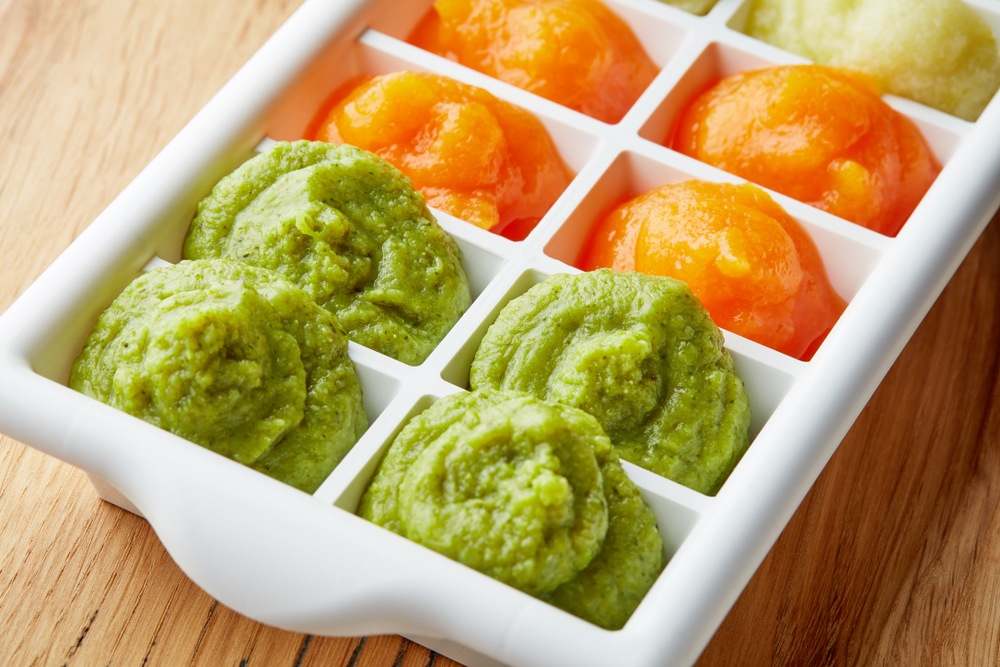
Freezing is a helpful way to store homemade baby food. It saves time and lets parents prepare small portions in advance. Cooked vegetables, fruits, meats, and mixed purees can often be frozen in small containers or baby food trays.
Let cooked food cool safely before freezing, but do not leave it sitting out too long. Portion the food into clean containers, label with the food name and date, and place it in the freezer.
Use freezer-safe containers. Avoid overfilling because food expands as it freezes. If using trays, cover them well so the food does not collect freezer odors. Once frozen, you can move portions into a labeled freezer bag or container.
Do not refreeze baby food that has already been thawed and served. If your baby ate from it, discard leftovers.
Thaw Baby Food the Safe Way
The safest way to thaw frozen baby food is usually in the refrigerator. This keeps the food cold while it defrosts. You can also warm small portions carefully before serving, but make sure the food is heated evenly and cooled to a safe temperature before feeding.
Avoid thawing baby food on the counter at room temperature. Food left in the temperature danger zone for too long can become unsafe.
If using a microwave, stir very well and test the temperature carefully. Microwaves can heat unevenly, creating hot spots. Babies can burn their mouths if food seems cool in one area but hot in another.
Store Pouches Carefully
Baby food pouches are convenient, especially for travel, daycare, or outings. But they still need safe handling.
Before opening a pouch, check the package. Do not use it if it is swollen, leaking, damaged, expired, or smells strange after opening. Once opened, follow the label instructions for refrigeration and use.
If your baby eats directly from the pouch, do not save the leftover pouch for later unless the label specifically allows it and safe handling has been followed. Saliva can enter the pouch just like it can enter a jar.
For less waste, squeeze a portion into a clean bowl and feed from the bowl. Keep the pouch clean if you plan to refrigerate the rest.
Keep Diaper Bag Food Safe
Food in a diaper bag can be easy to forget. A pouch, snack cup, bottle, or small container may sit there longer than planned while you run errands, visit family, or travel across town.
Use an insulated bag and cold pack for foods that need to stay cold. Do not leave perishable baby food sitting in a warm stroller, car, or bag for hours. If you are unsure how long it has been out, throw it away.
Dry snacks are easier for travel, but they still need clean storage. Use clean containers and avoid mixing used spoons, dirty bibs, and open snacks together.
Separate Clean and Used Items
A safe storage routine includes keeping clean and used items separate. A spoon that has touched your baby’s mouth should not go back into the clean container. A used bowl should not be stacked with clean bowls. A dirty pouch cap should not be tossed into the same pocket as clean pacifiers.
Use a small “used items” pouch when traveling. At home, move used bowls and spoons straight to the sink or dishwasher. This keeps clean feeding gear clean.
The CDC’s cleaning guidance for infant feeding items recommends taking feeding items apart, cleaning them well, and letting them air-dry fully. Good cleaning supports safer storage.
Watch for Signs Food Should Be Thrown Away
Baby food should be thrown away if it smells sour, looks moldy, has changed texture strangely, has been left out too long, or came into contact with saliva and was not eaten quickly. Also discard food if the container is cracked, leaking, swollen, rusty, or damaged.
Do not taste questionable baby food to “check” if it is safe. Adults may not always detect harmful bacteria by smell or taste. When in doubt, throw it out.
For safer product and container choices, visit the Safe Baby Products guide.
Keep the System Simple
The safest baby food storage system is one you can repeat. Keep clean containers in one place. Label opened foods. Store refrigerated food where you can see it. Freeze small portions. Keep diaper bag food separate. Throw away anything uncertain.
Avoid overcrowding your fridge with too many half-used containers. Try a small “baby food bin” in the refrigerator so all baby items stay together. Check it daily and remove anything old.
Final Thoughts
The safest way to store baby food is to keep it clean, cold, labeled, portioned, and protected from contamination. Use clean hands and clean tools. Do not feed directly from a jar if you want to save leftovers. Refrigerate perishable foods quickly. Freeze homemade food in small portions. Thaw safely. Keep diaper bag food cold when needed. Separate clean and used feeding items.
Baby food storage does not need to be complicated, but it does need consistency. A simple system can help parents avoid waste, reduce stress, and make everyday feeding safer.
For more practical baby feeding and safety guides, visit the Trusted For Baby Blog and explore more tips for feeding gear, safer products, home care, and apartment-friendly baby routines.