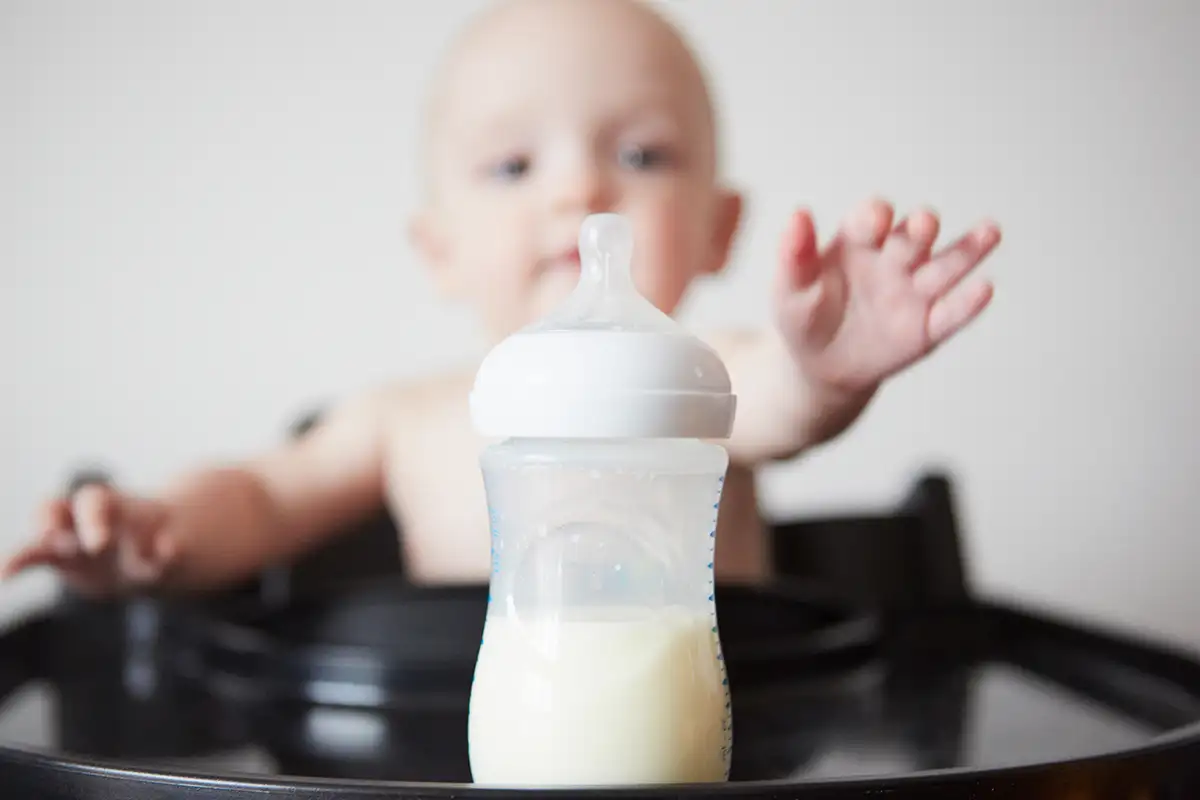
Plastic is everywhere in baby feeding gear. Bottles, bottle caps, pump parts, sippy cups, snack containers, freezer trays, baby spoons, divided plates, pacifier cases, and travel containers often include some kind of plastic. That can make parents nervous, especially when they see warnings online about BPA, phthalates, microplastics, heat, scratches, and chemical leaching.
The truth is not that every plastic baby item is automatically dangerous. The truth is also not that every “BPA-free” label means parents never have to think about it again. Plastic can be useful, lightweight, affordable, and practical, but it needs to be chosen carefully and used wisely.
The safest approach is balance. Use plastic where it makes life easier, but avoid overheating it, replace damaged pieces, choose food-grade products from trusted brands, and use glass, stainless steel, or silicone when they make sense for your routine.
What Parents Should Understand About Plastic
Plastic is not one single material. Different baby feeding products may use different types of plastic, and each type behaves differently. Some plastics are harder. Some are flexible. Some are clear. Some are cloudy. Some handle heat better than others. Some are meant for repeated food contact, while others are not. When selecting safer bottle materials, confirming tap water quality through home and residential water testing in Manhattan guarantees your baby’s formula is prepared with pristine water.
This is why parents should avoid using random household containers for baby food or formula. A takeout container, old yogurt tub, or storage box may not be designed for repeated baby feeding use. Baby feeding products should be clearly made for food contact and infant or toddler use.
The FDA information on BPA explains that FDA regulations no longer allow BPA-based polycarbonate resins in baby bottles and sippy cups. That is helpful, but it does not mean every plastic item in a kitchen is the right choice for baby feeding.
For safer baby product selection, visit the Safe Baby Products page.
BPA-Free Is Helpful, But Not the Whole Story
Many parents look for “BPA-free” on bottles, cups, and containers. That is a good starting point, especially for baby feeding gear. BPA is a chemical that was used in some hard plastics and food-contact materials, and many parents now avoid it.
However, BPA-free does not automatically mean a product is perfect. A product can be BPA-free and still become scratched, cloudy, warped, sticky, or hard to clean. A product can be BPA-free and still not be meant for heat. A product can be BPA-free and still have small parts that trap milk or food.
Instead of relying on one label, use a bigger checklist:
Is it made for baby feeding?
Is the material clearly listed?
Is it heat-safe according to the manufacturer?
Is it easy to clean fully?
Is it free from cracks, scratches, and cloudy areas?
Does it smell clean after washing?
Is it still the right size and stage for your baby?
Labels matter, but daily condition matters too.
Heat Is One of the Biggest Concerns
One of the easiest ways to reduce concern about plastic is to avoid heating food, formula, or breast milk in plastic when possible. Heat can stress plastic and may increase the chance of chemicals moving into food or drink.
HealthyChildren.org from the American Academy of Pediatrics advises parents to avoid microwaving food or beverages, including infant formula and breast milk, in plastic when possible. Their guide on food additives and kids also suggests using glass or stainless steel, especially when cooking or serving hot foods.
A simple family rule can help: store cold or dry items in plastic if needed, but warm baby food in glass or ceramic and then transfer it to the baby dish. For bottles, warm the bottle safely according to product instructions and avoid microwaving. Microwaves can also heat unevenly, creating hot spots in milk or food.
Scratched Plastic Should Be Replaced
Plastic feeding gear does not last forever. Scratches, cracks, cloudy patches, sticky surfaces, and warping are signs that a product may be harder to clean or no longer in good condition.
This matters because scratches can trap food residue, milk, formula, soap, or bacteria. A scratched container may look mostly clean but still hold tiny bits of residue. A cracked lid may not seal properly. A warped cup may leak. A sticky bottle part may be breaking down.
Replace plastic baby feeding items when they show wear. This includes bottles, sippy cups, snack cups, plastic bowls, spoons, lids, valves, straws, and pump parts.
For feeding products that are easier to inspect and maintain, visit the Feeding Gear section.
Plastic Bottles Can Be Practical
Plastic baby bottles are popular for good reasons. They are lightweight, easy to carry, less breakable than glass, and widely available. For travel, daycare, nighttime feeds, and diaper bags, they can be very practical.
The key is to use them correctly. Choose bottles made for infant feeding. Follow the manufacturer’s washing and heating instructions. Avoid old bottles with unknown history. Replace bottles that are scratched, cloudy, cracked, or damaged.
If you prefer not to use plastic bottles all the time, you can mix materials. Some families use glass bottles at home and plastic bottles for travel. Others use stainless steel or silicone options when they fit the routine better. There is no single perfect bottle system for every family.
Watch Small Parts Closely
Many plastic feeding products have small parts: valves, vents, straws, lids, rings, membranes, caps, and anti-leak pieces. These parts can be useful, but they also create more cleaning work.
The CDC guidance on cleaning infant feeding items recommends taking apart bottle parts before cleaning. This matters for plastic because milk and formula can hide in small corners.
If a product has too many pieces for you to clean properly every day, it may not be the best choice. A simple bottle or cup that gets washed well is better than a complicated one that traps residue.
Be Careful With Dishwashers
Some plastic baby feeding items are dishwasher-safe, but not all. Even when a product says dishwasher-safe, check whether it says top-rack only. High heat can warp some plastic parts or shorten their life.
If you are concerned about heat exposure, hand-washing plastic items can be a gentler option. HealthyChildren.org also suggests washing plastic food containers and utensils by hand rather than in the dishwasher because heat can increase chemical leaching.
If you do use the dishwasher, place small parts in a basket, use the correct rack, and inspect items afterward. If anything looks warped, sticky, cloudy, or damaged, replace it.
Do Not Reuse Single-Use Plastics for Baby Feeding
Single-use containers are not meant to become long-term baby feeding gear. Takeout containers, disposable water bottles, yogurt tubs, and thin plastic food containers may crack, warp, or break down faster than products designed for repeated use.
It can be tempting to reuse these items for purees, snacks, or leftovers, but baby food storage should use containers designed for food storage and repeated cleaning. For hot foods, glass or stainless steel is often a better choice.
For safer storage ideas, visit the Home Toxin Reduction page.
What About Microplastics?
Microplastics are tiny plastic particles that can come from larger plastics breaking down. Parents may hear about them in water, food, packaging, dust, and household products. This topic can sound scary because research is still developing and plastic exposure is hard to avoid completely.
The practical answer is not to panic. It is to reduce unnecessary plastic stress where you can. Avoid heating plastic. Replace scratched or damaged items. Do not use old or worn plastic bottles. Choose simpler products that clean well. Use glass or stainless steel for hot food storage when practical.
Small, repeated choices can lower avoidable exposure without making daily baby care impossible.
Choose Better Plastic When You Use It
If you use plastic feeding gear, choose products with clear labels and care instructions. Look for items made by reliable brands, designed for infant or toddler feeding, and marked for food contact. Avoid products with a strong chemical smell, unclear material information, or very cheap pieces that feel brittle or rough.
Good plastic feeding gear should feel sturdy, smooth, and easy to wash. It should not smell after cleaning. It should not change shape after normal use. It should not develop rough edges or peeling areas.
Consider Alternatives for Certain Uses
You do not have to remove all plastic from your home. But some uses are easier to switch than others.
For warming baby food, glass or ceramic containers can be useful.
For durable bowls, stainless steel can work well.
For soft baby spoons, silicone may be comfortable.
For food storage, glass containers can make it easier to see what is inside.
For travel snacks, a sturdy plastic container may still be practical.
The goal is not perfection. The goal is choosing the best material for each job.
Keep Plastic Away From Strong Smells and Harsh Products
Plastic can sometimes absorb odors from food, soap, or storage areas. Avoid using heavily scented dish soap on baby feeding items if smells linger. Do not store plastic feeding gear near cleaning sprays, air fresheners, trash bins, or strong-smelling foods.
If a plastic item smells strange after repeated washing, try washing it carefully and air-drying fully. If the smell remains, replace it.
Clean and Dry Everything Fully
No material is safe if it is not cleaned well. Plastic bottles, bowls, cups, lids, and spoons should be washed after use and dried completely before storage. Do not seal damp plastic parts in a closed container because trapped moisture can create musty smells.
Keep clean and dirty items separate in diaper bags. A used spoon or snack cup should not go back into the same pouch as clean pacifiers or bottle nipples.
Final Thoughts
The truth about plastics in baby feeding gear is simple: plastic can be useful, but it should be handled thoughtfully. BPA-free labels are helpful, but they are not the only thing that matters. Heat, scratches, age, cleaning, product quality, and daily use all matter too.
Choose baby feeding products made for food contact. Avoid heating plastic when possible. Replace scratched, cloudy, cracked, warped, or sticky items. Take apart bottles and cups before washing. Let everything dry fully. Use glass, stainless steel, or silicone when they make sense, especially for hot foods.
Parents do not need to feel guilty for using plastic. They just need to use it wisely. A practical, balanced approach can reduce unnecessary exposure while still keeping baby feeding realistic for everyday life.
For more practical baby safety and feeding guides, visit the Trusted For Baby Blog and explore more tips for feeding gear, safer products, home care, and everyday baby routines.