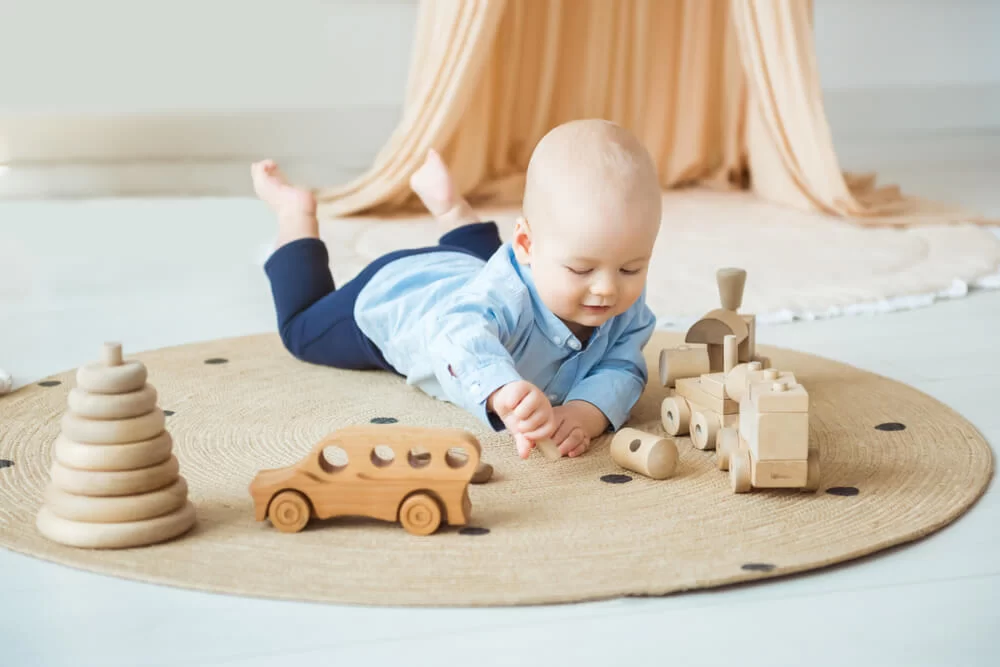
Microplastics are tiny plastic particles that can come from larger plastic items breaking down over time. Parents hear about them in food containers, water bottles, baby bottles, toys, clothing, packaging, and even household dust. It can feel overwhelming because plastic is everywhere, especially in baby products.
The goal is not to panic or try to remove every plastic item from your home. That would be almost impossible for most families. The practical goal is to reduce unnecessary exposure where it is easiest: avoid heating plastic, replace damaged items, choose simpler products, clean feeding gear well, and use glass, stainless steel, silicone, cotton, or wood where those materials make sense.
Microplastics are an emerging concern, and research is still developing. But parents do not need to wait for perfect answers before making common-sense changes. Small daily habits can lower avoidable plastic shedding and make baby products easier to clean, inspect, and trust.
Start With the Biggest Habit: Do Not Heat Plastic
One of the easiest ways to reduce microplastic and chemical exposure is to avoid heating baby food, formula, breast milk, or meals in plastic containers. Heat can stress plastic and may increase the chance of tiny particles or plastic-related chemicals moving into food.
HealthyChildren.org from the American Academy of Pediatrics advises parents to avoid microwaving food or beverages, including infant formula and breast milk, in plastic when possible. Their guide on food additives and kids also suggests using glass or stainless steel when cooking or serving hot foods.
A simple rule is this: store in plastic only when needed, but heat in glass, ceramic, or stainless steel when practical. If you warm baby food, transfer it to a heat-safe non-plastic dish first. If you warm a bottle, follow safe bottle-warming instructions and avoid microwaving.
For more feeding product guidance, visit the Feeding Gear page.
Replace Scratched, Cloudy, or Sticky Plastic
Plastic baby products do not last forever. Bottles, sippy cups, snack cups, bowls, plates, pacifier cases, freezer trays, and utensils can become scratched or cloudy after repeated use. Some plastic may become sticky, warped, rough, or stained with strong odors.
Those are signs that the item may be harder to clean or may be breaking down. Scratches can trap food residue, milk, soap, and bacteria. Damaged plastic can also shed more tiny particles over time.
Replace plastic baby products when they become:
Cracked
Cloudy
Deeply scratched
Sticky
Warped
Peeling
Rough around the edges
Hard to clean
Strong-smelling after washing
A product that no longer looks or feels clean should not stay in your baby’s daily routine.
Use Glass or Stainless Steel for Food Storage
Glass and stainless steel can be useful alternatives for baby food storage. Glass containers are easy to inspect because you can see what is inside. They usually do not hold odors as much as plastic and can be helpful for fridge storage, freezer portions, and reheating when the product allows it.
Stainless steel is durable and less breakable than glass. It can work well for dry snacks, small bowls, lunch containers, and certain travel foods. The downside is that you cannot see through it, so labeling becomes important.
You do not need to replace every container at once. Start with the items used most often for baby meals. A few small glass containers or stainless-steel snack containers may reduce your need for plastic in daily feeding.
For more product-selection ideas, visit the Safe Baby Products guide.
Be Careful With Plastic Bottles
Many baby bottles include plastic parts, even when the bottle itself is glass or stainless steel. Nipples, rings, caps, valves, vents, and pump parts may all include plastic or silicone. Plastic bottles can be practical because they are lightweight and less breakable, but they need careful use.
The FDA information on BPA explains that FDA regulations no longer allow BPA-based polycarbonate resins in baby bottles and sippy cups. That is helpful, but BPA-free does not mean a bottle should be used forever or heated carelessly.
If you use plastic bottles, choose bottles made for infant feeding, follow the care instructions, and replace them when they show wear. Avoid old bottles with unknown history. Do not keep using bottles that are scratched, cloudy, cracked, or warped.
Wash Plastic Gently When Possible
Washing matters because baby feeding products are used many times a day. The CDC guidance on cleaning infant feeding items recommends taking bottle parts apart before cleaning and letting them air-dry fully.
For plastic feeding items, gentle washing can help reduce wear. If the product instructions allow hand-washing, that may be better for items you want to preserve longer. Dishwashers use heat, and repeated high heat may cause some plastics to age faster.
If you do use the dishwasher, follow the product instructions. Use the top rack when required. Place small parts in a basket so they do not fall to the bottom. After washing, check for warping or damage.
Avoid Single-Use Plastics for Baby Food
Single-use plastics are not meant to become long-term baby feeding containers. Takeout containers, disposable water bottles, yogurt tubs, thin food containers, and random packaging should not be reused for baby meals again and again.
These items may not be designed for repeated washing, freezing, heating, or baby food storage. They may scratch, warp, or break down faster than products made for repeated food contact.
Use containers clearly made for food storage. For baby food, choose small containers that seal well, clean easily, and can be inspected after each wash.
Choose Silicone Carefully
Silicone is often used in baby products because it is soft, flexible, and less breakable than glass. You may see silicone bowls, spoons, bibs, pacifiers, bottle nipples, teethers, and freezer trays.
Good-quality silicone can be useful, but it still needs inspection. Replace silicone items if they become sticky, torn, cracked, cloudy, rough, or strongly scented after washing. Some silicone products can hold odors from soap or food, especially if they are washed with heavily scented products.
Choose food-grade silicone products from reliable brands with clear care instructions. Avoid very cheap silicone items with strong smells, rough seams, or unclear material information.
Reduce Plastic in Teethers and Pacifiers
Teethers and pacifiers go directly into your baby’s mouth, so they should be checked often. Silicone pacifiers and teethers are common, but they can still wear out.
Look for one-piece pacifiers when possible because they have fewer seams and fewer places for moisture or debris to collect. Avoid pacifier clips, cords, or attachments during sleep. Check pacifiers and teethers for tears, bite marks, stickiness, cracks, or loose parts.
If a teether has liquid inside, inspect it carefully for leaks. If it cracks or smells strange, replace it. A simple, easy-to-clean teether is usually better than a complicated toy with many textures, holes, and parts.
Watch Plastic Toys That Go Into the Mouth
Babies explore the world by putting things in their mouths. That means plastic toys, rattles, bath toys, and stroller toys should be chosen and maintained carefully.
Avoid toys with peeling paint, cracked plastic, sticky surfaces, or strong chemical smells. Wash toys according to the label. Let bath toys dry fully because water trapped inside can become unpleasant or moldy.
Toys with holes can trap water. If a bath toy squirts water and cannot be cleaned inside, it may not be the best long-term choice. For baby bath product tips, visit the Bath & Body Care page.
Choose Natural Fibers Where Practical
Microplastics can also come from synthetic fabrics such as polyester, nylon, acrylic, and fleece. These fabrics can shed tiny fibers during use and washing. Baby clothes, blankets, rugs, stuffed toys, and play mats may contain synthetic materials.
You do not need to replace every fabric item. But for items used close to the baby’s face or skin every day, natural fibers can be a helpful choice. Cotton crib sheets, cotton pajamas, cotton washcloths, and simple washable blankets used outside the sleep space may reduce reliance on synthetic fabrics.
For baby sleep, remember that loose blankets do not belong in the crib. Choose safe sleep clothing instead.
Keep Dust Under Control
Microplastics can become part of household dust as plastic products, synthetic fabrics, packaging, and outdoor particles break down. Babies spend time on floors and may touch dusty surfaces, so dust control matters.
Use a damp cloth for dusting instead of dry dusting. Vacuum floors and rugs regularly. Wash play mats and soft toys according to care instructions. Keep shoes near the door to reduce outdoor dirt and particles coming inside.
For apartment and city baby routines, visit the Urban Baby Life section.
Avoid Overbuying Plastic Baby Gear
The more baby gear you own, the more there is to clean, inspect, store, and replace. A smaller collection of high-quality items is often safer and easier than a large pile of cheap plastic products.
Before buying something, ask:
Will we use this every week?
Can it be cleaned fully?
Does it have hidden parts?
Will it go into the baby’s mouth?
Will it touch hot food or liquid?
Is there a glass, stainless-steel, silicone, cotton, or wood option that works better?
This simple checklist helps reduce unnecessary plastic without making parenting harder.
Store Baby Products Away From Heat and Sun
Heat and sunlight can age plastic faster. Do not store plastic bottles, pacifiers, teethers, toys, or food containers on hot windowsills, near radiators, inside hot cars, or beside stoves.
If a plastic item has been left in a hot car or direct sun and now smells strange, feels warped, or looks changed, replace it. Baby products should stay in a cool, dry place when possible.
For more home safety habits, visit the Home Toxin Reduction page.
Do Not Aim for Perfect
Parents can reduce microplastics, but they cannot avoid them completely. Plastic is part of modern packaging, healthcare, food storage, toys, clothing, and home life. Trying to remove every plastic item can become expensive and stressful.
A better goal is to reduce the easiest and most repeated exposures. Focus on what touches food, heat, mouths, sleep spaces, and daily skin contact. Replace damaged items. Avoid heating plastic. Choose better materials for the products used most often.
Progress matters more than perfection.
Final Thoughts
Avoiding microplastics in everyday baby products is not about fear. It is about smart, simple habits. Do not heat baby food or milk in plastic when you can avoid it. Replace scratched, cloudy, sticky, or damaged plastic. Use glass or stainless steel for storage and warming when practical. Choose silicone carefully. Inspect pacifiers, teethers, toys, bottles, and feeding gear often. Keep dust under control and avoid buying more plastic baby gear than you need.
Parents do not need to throw away everything overnight. Start with the products your baby uses most: bottles, bowls, spoons, pacifiers, teethers, food containers, and sleep-area fabrics. Small changes in those areas can make your home feel cleaner, simpler, and safer.
For more practical baby safety and home care guides, visit the Trusted For Baby Blog and explore more tips for safer products, feeding gear, bath care, and home toxin reduction.