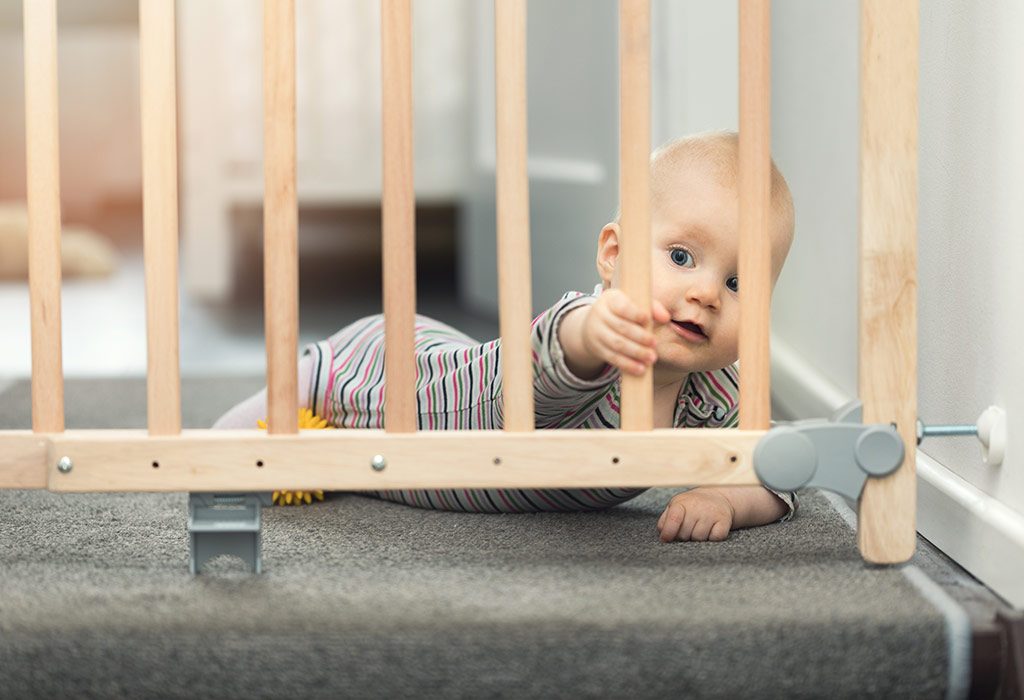
Baby-proofing in a tight NYC apartment is different from baby-proofing a large house. There may be no playroom, no extra closet, no wide hallway, and no separate nursery. The stroller may live near the door, the crib may be in the bedroom, feeding supplies may share kitchen space with everything else, and the living room may also be the baby’s play area.
The good news is that baby-proofing does not require a huge home. In fact, small apartments can be easier to manage because there are fewer rooms to check. The key is to think from your baby’s level, reduce clutter, secure the biggest risks first, and create safe zones for sleep, feeding, crawling, and daily care.
A safer NYC apartment is not about buying every childproofing product online. It is about making smart, practical changes that fit your real space.
Start With the Baby’s Main Zones
In a tight apartment, your baby may use the same few areas all day. Start by baby-proofing those first instead of trying to fix the whole apartment at once.
The main zones are usually:
The sleep area
The feeding area
The changing area
The floor/play area
The kitchen entrance
The bathroom
The apartment entryway
If your baby is not crawling yet, it may feel early to think about drawers, cords, and cabinets. But babies grow quickly. It is easier to prepare before crawling starts than to rush once your baby is already pulling on everything.
For more apartment-friendly baby setup ideas, visit the Urban Baby Life page.
Keep the Sleep Area Clear
The sleep space should be the simplest area in the home. A crib, bassinet, or play yard should have a firm mattress, a fitted sheet, and no loose items inside. No pillows, loose blankets, stuffed animals, bumpers, loungers, or extra cushions.
In small apartments, the crib can accidentally become storage. Parents may place laundry, diapers, toys, blankets, or shopping bags inside it during the day. Try not to create that habit. The crib should stay clear all the time so nothing is forgotten when the baby sleeps.
Place the crib away from windows, radiator heat, blind cords, curtains, shelves, lamps, monitors with cords, and anything that could fall. A small bedroom may make this difficult, but safe placement matters more than perfect furniture layout.
For more safe sleep setup guidance, visit the Sleep & Nursery section.
Anchor Furniture Early
NYC apartments often use tall furniture because floor space is limited. Tall dressers, narrow bookshelves, storage cabinets, TV stands, and wall units can save space, but they should be secured properly.
The CPSC’s Anchor It campaign focuses on preventing furniture and TV tip-over incidents involving children. In normal language, anything tall, heavy, or climbable should be anchored before your baby becomes mobile.
Do not assume a dresser is safe because it feels heavy. Babies and toddlers pull on drawers, shelves, handles, and TV stands. If a piece of furniture could tip, anchor it to the wall with the correct hardware. If you rent, ask your landlord or building management about safe installation options.
Also keep heavy items low. Do not place heavy books, decor, lamps, plants, or electronics on high shelves where they could fall.
Manage Cords Before Crawling Starts
Cords are a common problem in small apartments because outlets may be in awkward places. Phone chargers, lamp cords, monitor cords, router cables, extension cords, and blinds can all end up near baby areas.
Move cords behind furniture when possible, but do not create overheating or fire risks by trapping cords unsafely. Use cord covers or cord organizers where appropriate. Keep charging stations away from the crib, play mat, and changing area.
Blind and curtain cords should be completely out of reach. If your baby’s sleep or play area is near a window, check the space carefully from floor level.
Use Cabinet Locks Where They Matter Most
The CPSC’s childproofing guidance recommends safety latches and locks on cabinets and drawers in areas like kitchens and bathrooms to help prevent injuries and poisonings. In a tight apartment, start with the most important cabinets first.
Lock cabinets that contain:
Cleaning products
Dishwasher pods
Laundry products
Medicines
Vitamins
Sharp tools
Trash bags
Small objects
Plastic bags
Glass items
Do not rely only on “putting things in the back.” Once babies start crawling and pulling up, they can surprise you. A cabinet lock is especially important under sinks, in bathrooms, and in low kitchen cabinets.
For safer storage and product choices, visit the Safe Baby Products guide.
Create One Safe Floor Area
Your baby does not need the whole apartment as a play zone. In a small NYC home, it is often better to create one safe floor area that is easy to clean and supervise.
Choose a spot away from cords, heaters, windows, unstable furniture, pet bowls, shoes, and doorways. Use a washable play mat or clean rug. Keep only a few age-appropriate toys nearby. Avoid clutter because small objects can become hazards once a baby starts grabbing and mouthing everything.
Get down on your hands and knees and look around. From baby level, you may notice things adults miss: coins, hair ties, crumbs, cords, peeling paint, loose screws, tiny toy parts, dust under furniture, or sharp furniture corners.
Be Careful With Older Paint and Dust
Many NYC apartments are in older buildings. Older paint, dusty window tracks, peeling trim, and renovation dust need attention, especially when babies start crawling.
NYC Health’s lead poisoning prevention guidance explains that many older NYC buildings may still have lead paint on walls, windows, doors, and other surfaces. Parents should keep children away from peeling or damaged paint and clean paint chips and dust with wet wiping.
Do not sand, scrape, or drill old painted areas yourself around a baby space. If paint is peeling, document it and contact your landlord or building management. If you own the home, use lead-safe professionals when needed.
Damp wiping is better than dry dusting. Wipe windowsills, baseboards, radiator areas, and low shelves regularly.
For more home safety habits, visit the Home Toxin Reduction page.
Make the Kitchen Less Reachable
In tight apartments, the kitchen may be close to the baby’s play area. Some layouts have no door between the living area and kitchen, so baby-proofing the kitchen becomes very important.
Move sharp items, breakable dishes, cleaning products, plastic bags, and small objects out of low drawers. Use stove knob covers if your stove design needs them. Turn pot handles inward while cooking. Keep hot drinks away from table edges and counters where a baby may reach later.
If possible, use a baby gate or barrier to keep the baby out of the kitchen during cooking. If that is not possible, create a safe play zone away from the kitchen path.
Secure the Bathroom
Bathrooms are small but full of things babies should not reach. Toiletries, razors, medicines, cleaning products, toilet brushes, trash bins, and bath products should be stored safely.
Use cabinet locks where needed. Keep toilet lids closed. Store medicines high and away, not in low drawers. Do not leave bath water standing. Always supervise bath time closely.
Also watch moisture. Small bathrooms can become damp quickly. Dry towels, bath toys, and washcloths fully before storing them. Replace bath toys that trap water and smell musty.
For baby bath and body product ideas, visit the Bath & Body Care page.
Handle Radiators and Heating Areas
Many NYC apartments have radiators or older heating systems. Radiators can get very hot and may also make one area of the room much warmer than another.
Keep the crib, play mat, and baby storage away from direct radiator heat. Do not hang blankets, clothes, or baby items over radiators. If the radiator area is accessible, use a safe radiator cover if appropriate and allowed in your building.
Check nearby floors and walls for peeling paint or dust, especially around older radiators.
Keep the Entryway Clean
The entryway in a NYC apartment often holds shoes, stroller wheels, bags, deliveries, umbrellas, and coats. It can bring in street dust, building hallway dirt, and outdoor moisture.
Create a simple entry habit. Keep shoes near the door, not near the baby’s play mat. Wipe stroller wheels when needed. Do not place delivery boxes or grocery bags on feeding surfaces or baby play areas. Store bags and keys out of reach.
A washable mat near the door can help reduce dirt that travels into the apartment.
Avoid Overcrowding the Baby Area
Small apartments can become crowded fast. Extra toys, backup diapers, outgrown clothes, packaging, unused gear, and gifts can pile up. Clutter makes cleaning harder and baby-proofing less effective.
Keep only daily-use items in the baby zone. Store backup supplies in bins. Move outgrown clothes out of the main drawer. Rotate toys instead of displaying everything. A clear space is easier to supervise and safer for crawling.
Check Windows and Balconies Carefully
Windows need special attention in NYC apartments. Keep furniture away from windows so children cannot climb near them. Make sure window guards or safety devices are installed where required or appropriate. Do not rely on screens to keep a child safe; screens are not safety barriers.
If you have a balcony, keep the door locked and inaccessible. Do not store climbable furniture near balcony railings or windows.
Final Thoughts
Baby-proofing in a tight NYC apartment is about priorities. Start with the spaces your baby uses most: sleep, feeding, floor play, bathroom, kitchen, and entryway. Keep the crib clear. Anchor tall furniture. Manage cords. Lock dangerous cabinets. Control dust and older paint. Keep the kitchen and bathroom less reachable. Create one clean, safe floor area.
You do not need a large home to make a safer baby environment. You need smart systems, less clutter, and a habit of seeing the apartment from your baby’s level.
A small space can still be safe, calm, and practical when every item has a place and every baby zone is easy to clean. For more practical baby safety and home care guides, visit the Trusted For Baby Blog and explore more tips for safer products, sleep spaces, feeding gear, and home toxin reduction.