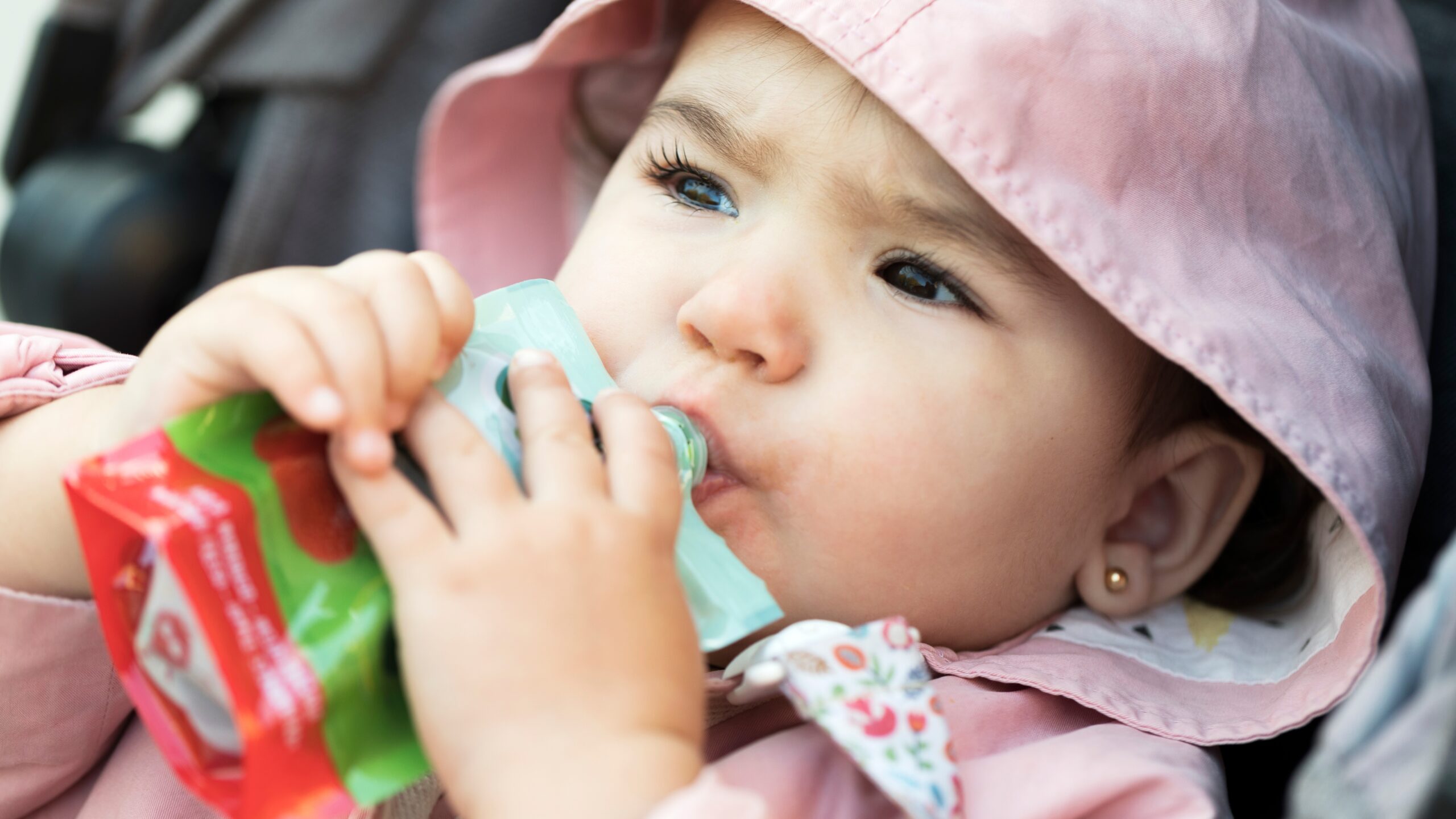
Heavy metals in baby snacks can sound scary, especially when parents see headlines about arsenic, lead, cadmium, or mercury in foods made for babies and toddlers. It can make everyday choices feel stressful. One day a snack seems healthy because it is organic, puffed, baked, fruit-based, veggie-based, or made for babies. The next day, parents hear that some of those same snack types may contain unwanted contaminants.
The truth is that parents do not need to panic, but they do need to be thoughtful. Heavy metals can be present in food because they occur naturally in soil and water, and they can also come from pollution, farming conditions, processing, or ingredients that absorb more contaminants than others. Baby snacks can be part of a child’s diet, but they should not become the main food group.
The safest approach is variety. Rotate snack types. Do not rely heavily on rice-based snacks. Limit foods that are more likely to contribute to heavy metal exposure. Choose simple whole-food snacks when possible. Read labels carefully. And remember that “organic” does not automatically mean free from heavy metals, because these contaminants can come from the environment, not only from pesticides or additives.
Understand What Heavy Metals Are
Heavy metals such as arsenic, lead, cadmium, and mercury can be found in small amounts in the environment. Because plants grow in soil and water, some foods can absorb these metals while they grow. This is why heavy metals can be found in both store-bought baby foods and homemade foods.
The FDA’s Closer to Zero initiative focuses on reducing childhood exposure to contaminants in foods commonly eaten by babies and young children. The goal is not to tell parents to avoid all fruits, vegetables, grains, or snacks. The goal is to reduce exposure as much as possible while still keeping children’s diets nutritious and varied.
Parents should not respond by removing every food they have heard about online. Babies still need balanced meals and snacks. The key is to avoid using the same higher-risk ingredients every day.
Rice-Based Snacks Deserve Extra Attention
Rice is one of the biggest ingredients parents should watch in baby snacks. Rice can absorb more arsenic from water and soil than many other crops. That does not mean your baby can never eat rice, but it does mean rice-based snacks should not be served all the time.
Common rice-based baby snacks may include rice puffs, rice cakes, rice crackers, rice rusks, rice cereal snacks, and some teething biscuits. These foods can seem light, easy, and baby-friendly, but they may not be the best daily snack choice.
HealthyChildren.org from the American Academy of Pediatrics recommends switching up grains and reminds parents that rice cereal does not need to be the first or only cereal. Their guide on heavy metals in baby food encourages variety, including grains such as oat, barley, quinoa, and multigrain options.
A practical rule is this: if rice is the first ingredient, do not make that snack an everyday habit. Rotate it with other foods.
Be Careful With Puffs
Baby puffs are popular because they are easy to carry, dissolve quickly, and keep babies busy. But not all puffs are the same. Some are rice-based. Some are made with other starches, such as cassava, sorghum, corn, or mixed grains. Some include vegetable powders, fruit powders, or sweeteners.
Consumer Reports has reported concerns about heavy metals in some baby foods and snacks, including certain rice-based snacks and some products made with other ingredients. Their article on heavy metals in baby foods is a useful reminder that snack type and ingredient choice matter.
This does not mean every puff is unsafe. It means puffs should be treated as occasional convenience snacks, not the main source of calories or nutrition. If your baby eats puffs every day, consider replacing some of those servings with soft fruits, plain yogurt, oatmeal, small pieces of cooked vegetables, or other age-appropriate foods.
For more help choosing practical feeding items and mealtime tools, visit the Feeding Gear page.
Do Not Trust “Veggie” Labels Too Quickly
A snack labeled “veggie” may sound healthier, but parents should still read the ingredient list. Some veggie snacks are mostly starch with a small amount of vegetable powder. Others may contain sweet potato, carrot, or other root vegetables, which can be nutritious but may also absorb contaminants from soil.
This does not mean sweet potatoes or carrots are bad. They are useful foods and can be part of a healthy baby diet. The issue is over-reliance. If a baby eats sweet potato snacks, carrot puffs, root-vegetable crackers, and similar products every day, the diet may become too repetitive.
Instead of thinking, “This snack says veggie, so it must be safe every day,” think, “What is the main ingredient, and how often is my baby eating it?”
Choose Whole Foods More Often
Packaged baby snacks are convenient, but whole foods are often better everyday choices. Depending on your baby’s age and feeding stage, safer simple snacks may include soft fruit, avocado, plain yogurt, oatmeal, well-cooked vegetables, small pieces of soft egg, mashed beans, or other foods your baby can handle safely.
Always match food texture and size to your baby’s age and eating skills. Babies should be seated and supervised while eating. Avoid hard, round, sticky, or tough foods that are not safe for your baby’s stage.
Whole foods also help babies learn real flavors and textures. Packaged snacks are easy, but they can be expensive and repetitive. A small container of soft fruit or cooked vegetables may offer more nutrition than a handful of processed puffs.
For safer baby product and feeding choices, visit the Safe Baby Products section.
Watch Juice and Fruit Snacks
Juice, fruit snacks, and fruit-based pouches can also become overused. Some juices, especially apple, pear, and grape juice, have been discussed in relation to heavy metals in children’s diets. Juice also adds sweetness without the fiber of whole fruit.
Babies do not need juice as a daily drink. Water and milk or formula, depending on age and feeding stage, are usually more important. If you offer fruit, whole fruit or unsweetened fruit puree is usually a better choice than juice or sticky fruit snacks.
Fruit pouches can be convenient, but try not to let them replace meals or fresh foods too often. Serve pouch food in a bowl when possible, so your baby practices eating from a spoon and you can control portions.
Read Ingredient Lists Carefully
The front of a package is marketing. The ingredient list tells you more. When choosing baby snacks, look for the first few ingredients. If rice flour, rice, brown rice syrup, rice starch, cassava flour, sweet potato powder, or fruit juice concentrate appear near the top, decide how often your baby is already eating similar ingredients.
Also watch for added sugars and salty snacks. Heavy metals are not the only concern. A snack can be low in heavy metals but still not be a great daily choice if it is very sugary, salty, or highly processed.
Simple ingredient lists are usually easier to understand. If a snack has many powders, starches, sweeteners, and flavors, it may be better as an occasional convenience item.
Rotate Grains and Starches
Rotation is one of the easiest ways to reduce repeated exposure from one ingredient. Instead of serving rice cereal, rice puffs, rice crackers, and rice teething biscuits in the same week, switch grains and snack bases.
Try oat cereal, barley cereal, multigrain cereal, quinoa, wheat-based options if appropriate, or other grains your baby tolerates. For snacks, choose different bases rather than always choosing rice-based products.
This is not about finding one perfect grain. It is about not depending on one ingredient too much.
Avoid Making Snacks the Main Meal
Baby snacks should not replace balanced meals. If your baby fills up on puffs, crackers, teething biscuits, and packaged snacks, they may eat less fruit, vegetables, protein, iron-rich foods, and healthy fats.
Use packaged snacks when they are useful: travel, stroller walks, daycare bags, waiting rooms, or busy afternoons. But at home, try to offer more real foods. A baby’s daily diet should include variety, not just convenient shelf-stable snacks.
For small-space baby food routines, visit Urban Baby Life.
Be Careful With Teething Biscuits
Teething biscuits and rice rusks are often marketed as soothing and easy for babies to hold. Some are rice-based, and some may be sweetened. They can also become sticky or break into pieces, depending on the product and baby’s chewing stage.
If you use teething biscuits, choose them carefully, supervise closely, and do not rely on them daily. Check the ingredient list and rotate with other safe foods or teething solutions recommended by your pediatrician.
A clean teether made from safe materials may sometimes be a better option than frequent edible teething snacks.
Homemade Does Not Automatically Mean Heavy-Metal Free
Homemade baby food can be wonderful, but it is not automatically free from heavy metals. If carrots, sweet potatoes, rice, or other ingredients absorb metals from soil or water, making them at home does not remove that issue.
The benefit of homemade food is that you control ingredients, freshness, texture, and variety. Use that advantage by rotating foods. Do not make the same root vegetable puree every day. Mix in fruits, grains, proteins, and vegetables from different categories.
For healthy home habits beyond feeding, visit the Home Toxin Reduction page.
Do Not Panic About One Snack
If your baby has eaten rice puffs, rice crackers, or veggie snacks, do not panic. Heavy metal exposure is usually about repeated patterns over time, not one snack cup. The goal is to adjust habits going forward.
A calm response is better than fear. Look at what your baby eats most often. If one snack appears every day, rotate it. If rice-based foods show up many times a week, reduce them. If packaged snacks are replacing meals, shift back toward whole foods.
Ask Your Pediatrician When Needed
If your baby has a limited diet, feeding delays, allergies, medical needs, or strong food preferences, talk with your pediatrician before making major changes. Some babies need special feeding support, and parents should not remove important foods without guidance.
If you are worried about lead exposure from food, water, old housing, paint, or soil, ask about lead screening and local recommendations. Food is only one possible exposure source.
Final Thoughts
Avoiding heavy metals in baby snacks is not about being perfect. It is about making smarter everyday choices. Limit rice-based snacks. Rotate grains. Be cautious with puffs, teething biscuits, rice crackers, and snacks that rely heavily on root vegetables or fruit juice. Choose whole foods more often. Read ingredient lists instead of trusting front-label claims.
Packaged snacks can be useful, but they should not dominate your baby’s diet. Variety is the safest habit. A baby who eats different grains, fruits, vegetables, proteins, and textures is less likely to get too much exposure from one ingredient.
Parents do not need to fear every snack. They just need a simple rule: rotate often, rely less on rice-based snacks, and choose real foods whenever practical. For more practical baby feeding and safety guides, visit the Trusted For Baby Blog and explore more tips for feeding gear, safer products, home care, and everyday baby routines.