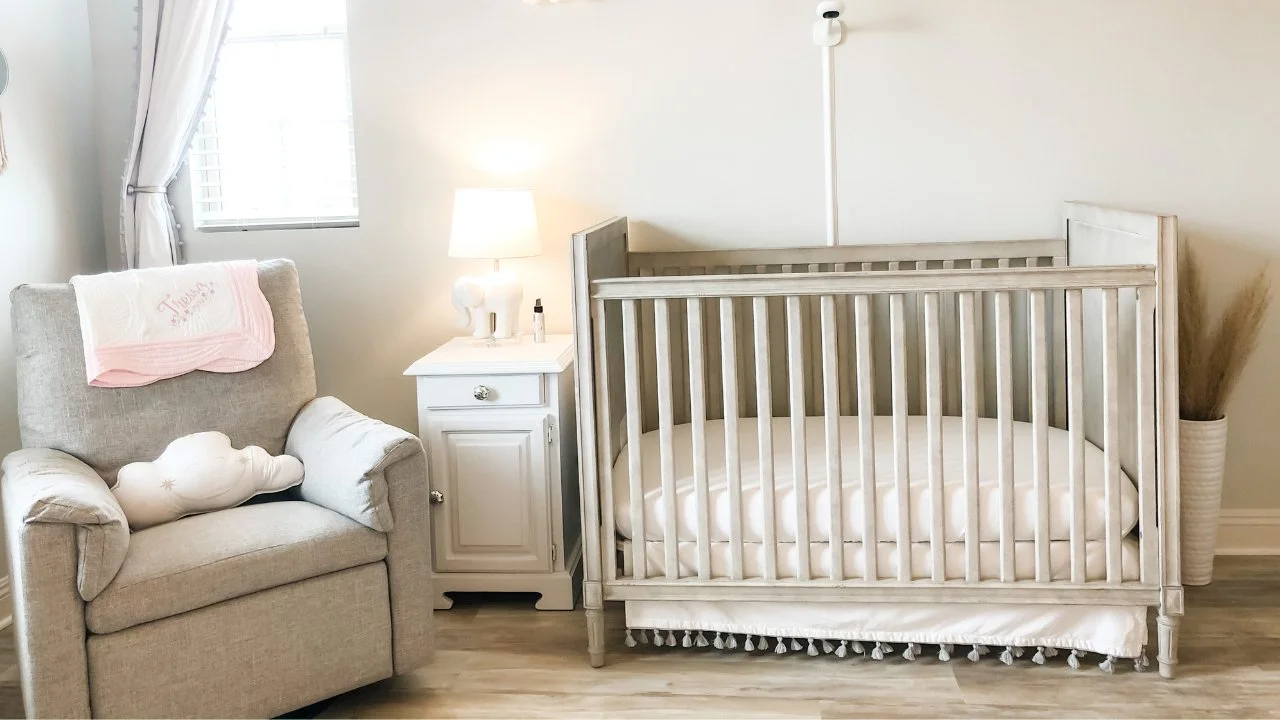
Not every baby gets a separate nursery, and that is completely normal. Many families bring a baby home to a one-bedroom apartment, a shared room, a small city home, a studio, or a space that already has siblings, work desks, storage, and everyday life happening in it. The good news is that a baby does not need a picture-perfect nursery to be safe, comfortable, and cared for.
A nursery is not really about having a separate room. It is about creating a small, organized baby zone that supports sleep, feeding, diaper changes, clothing, and daily care. You can do that in a corner of your bedroom, beside your bed, in a hallway nook, or even with one dresser and a rolling cart. What matters most is safety, simplicity, and easy access.
If you are setting up for a baby without a nursery, start by letting go of the idea that you need a full room. You need a safe sleep space, a small storage system, a clean changing area, and a calm routine. That is enough.
Start With the Sleep Space First
The first thing to plan is where your baby will sleep. A safe sleep space matters more than nursery decoration, wall art, or matching furniture. Your baby should sleep on their back, on a firm and flat surface, in a crib, bassinet, or play yard designed for infant sleep.
The American Academy of Pediatrics safe sleep guidance recommends placing babies on their backs for every sleep and using their own sleep space with a firm, flat surface. In a small home, this may mean placing a bassinet beside your bed or using a compact crib in the corner of your bedroom.
Try to keep the sleep area simple. The sleep space should have a fitted sheet only. Avoid pillows, blankets, bumpers, stuffed animals, loose fabric, and decorative cushions. These items may look sweet in photos, but they do not belong in a baby’s sleep area.
For more help choosing a safe and simple baby sleep setup, you can also visit the Sleep & Nursery section on Trusted For Baby.
Choose a Baby Zone, Not a Baby Room
When you do not have a nursery, think in zones instead of rooms. A baby zone is one small area that has the essentials close together. It may be one wall in your bedroom, the space beside your bed, or a corner near your closet.
A good baby zone usually includes:
A crib, bassinet, or play yard
A small storage basket or drawer
Diapers and wipes
A few clean clothes
Burp cloths
A small trash bin or diaper pail
A night light or soft lamp
You do not need a full changing table if space is limited. You can use a changing pad on top of a sturdy dresser, a foldable changing mat, or a safe floor setup. The main thing is that the surface should be stable, supplies should be within reach, and you should never leave the baby unattended during changes.
Keep Furniture Minimal
A common mistake is buying too much furniture before the baby arrives. When space is limited, every item needs a real purpose. Before buying a large dresser, rocking chair, bookshelf, storage cabinet, and changing table, ask yourself what you truly need every day.
A compact crib, a small dresser, and a rolling cart may be enough. Some parents use drawer dividers inside their own dresser instead of buying a separate baby dresser. Others use under-bed storage boxes for extra diapers, seasonal clothes, or backup wipes.
The goal is not to make the space look like a showroom. The goal is to make daily baby care easier. If an item takes up space but does not help with sleep, feeding, changing, or storage, you may not need it right away.
For product choices, the Safe Baby Products page can help you think through what is useful and what may simply add clutter.
Use Vertical Space Carefully
When floor space is limited, walls and vertical storage can help. Floating shelves, hanging organizers, over-the-door pockets, and wall hooks can make a small baby area more usable. But safety still comes first.
Do not place heavy shelves, frames, mirrors, or loose items directly above the crib or bassinet. If something could fall into the sleep space, it should not be above the baby. Keep wall decor light, secure, and away from where the baby sleeps.
A safer approach is to use vertical storage on a nearby wall, not directly over the crib. Store light items like diapers, wipes, small towels, or folded clothes in bins. Keep creams, medicine, cleaning products, cords, and small objects out of reach.
Make a Simple Feeding Station
Whether you breastfeed, bottle feed, pump, or use formula, feeding supplies can take over a small home quickly. A simple feeding station helps keep things organized.
You can use a small cart, basket, or drawer for feeding items. Keep burp cloths, bibs, bottles, nursing pads, clean pacifiers, or pump parts in one place. If you prepare bottles, keep your system clean and simple so nighttime feeding does not become stressful.
The Feeding Gear page has more guidance for choosing practical feeding items without overbuying. In a small space, it is usually better to own fewer items and wash them more often than to fill cabinets with too many bottles, gadgets, and accessories.
If you feed at night, keep a small lamp nearby. A soft light can help you see without fully waking everyone in the room. Avoid placing cords where you may trip while holding the baby.
Think About Air, Dust, and Cleaning
A baby zone should be easy to clean. In small homes, dust, laundry, cooking smells, cleaning products, and outdoor pollution can all affect the indoor environment. You do not need to panic, but it helps to be thoughtful.
The EPA indoor air quality guidance explains that source control and ventilation are important ways to improve indoor air. In normal language, that means reducing things that create indoor pollution and bringing in fresh air when it is safe and practical.
Try to keep the baby’s area away from strong fragrances, harsh cleaning sprays, open paint cans, damp corners, or heavy dust. Use gentle cleaning routines and ventilate the space when cleaning. Avoid storing cleaning chemicals under or beside the baby’s sleep area.
You can also read more about safer home habits on the Home Toxin Reduction page.
Do Not Let Storage Enter the Sleep Space
When you are short on space, it is tempting to use the crib as storage before the baby sleeps there. Many parents place laundry, blankets, toys, diapers, or bags inside the crib during the day. This habit can become risky if items are accidentally left behind.
The crib, bassinet, or play yard should be treated as a sleep-only area. Keep it clear all the time, not just at night. The CPSC Safe Sleep advice reminds parents that “bare is best” and that babies should sleep in products intended for sleep with nothing extra in the space.
If you need storage, use bins under the crib if the product design allows it, or use a separate basket nearby. Just keep the actual sleep surface clear.
Make the Space Work at Night
A nursery corner should be practical during tired nights. Before bedtime, check that the things you need are easy to reach: diapers, wipes, burp cloths, clean sleepwear, and a safe place to put used items.
Avoid stacking supplies in a way that can fall. Avoid putting water cups, chargers, lamps, or heavy items near the edge of a dresser. If you use a phone charger or monitor cord, keep cords away from the crib or bassinet.
A small night basket can help. Put only the basics inside it. Too many items create clutter, and clutter makes it harder to move safely when you are half asleep.
Prepare for City and Apartment Living
Many families without nurseries are living in apartments or city homes. This can mean less space, shared walls, elevator trips, smaller closets, or limited laundry access. Instead of trying to copy a large nursery, build a setup that fits your real life.
Use foldable items when possible. Choose compact gear. Keep stroller accessories, outdoor blankets, and diaper bag supplies separate from the sleep area. If your baby’s space is near a window, make sure cords from blinds or curtains are completely out of reach.
The Urban Baby Life section is a helpful place to explore more ideas for raising a baby in smaller or busier living spaces.
Keep the Setup Flexible
Your baby’s needs will change quickly. A newborn may only need a bassinet, diapers, a few outfits, and feeding supplies. A few months later, you may need more floor space for tummy time, toy storage, or clothing sizes. Try not to lock yourself into a setup that cannot change.
Use baskets, carts, and drawer organizers that can move around. Label bins if it helps. Keep only current-size clothes in the main baby area and store larger sizes elsewhere. Review the space every few weeks and remove what you are no longer using.
Small-space baby care works best when you edit often. If something is not being used, move it out of the daily zone.
Final Thoughts
You do not need a separate nursery to create a safe and loving space for your baby. You need a safe sleep surface, a small care station, clean storage, and a setup that works during real days and tired nights.
A nursery without a nursery is still a nursery. It may be one corner, one dresser, one cart, or one side of your bedroom. What makes it work is not the size of the room. It is the thought behind the setup.
Keep the sleep area clear. Keep supplies simple. Use space wisely. Avoid clutter. Choose baby products carefully. And most importantly, build a setup that supports your family’s actual home, not someone else’s picture-perfect nursery.
For more practical baby safety and home setup guides, visit the Trusted For Baby Blog and explore simple ways to make everyday baby care safer, calmer, and easier.