Choosing a crib and mattress can feel more complicated than it should. Parents want something safe, comfortable, durable, and “non-toxic,” but product labels often make everything sound perfect. One mattress says organic. Another says breathable. Another says low-VOC. A crib says eco-friendly. A different one says natural wood. After a while, it becomes hard to know what actually matters.
The simple answer is this: the safest crib and mattress choice is one that meets current safety standards, fits correctly, supports safe sleep, and keeps unnecessary chemicals, soft materials, and loose extras away from your baby’s sleep space. “Non-toxic” should not only mean natural-looking or expensive. It should mean safer materials, fewer strong smells, better ventilation, and a setup that follows real infant sleep safety guidance.
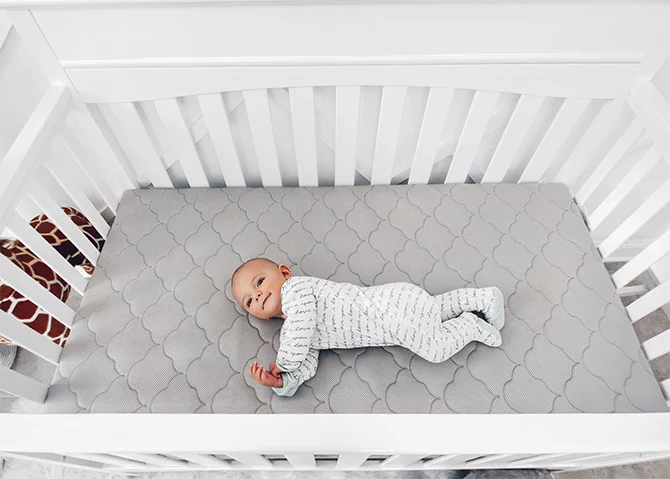
A beautiful crib is nice, but the real goal is a safe sleep environment. The crib should be sturdy. The mattress should be firm and flat. The sheet should fit tightly. The sleep space should stay bare. Everything else is secondary.
Start With Safety Standards, Not Style
Before thinking about wood color, nursery theme, or mattress fabric, start with safety. A crib should be designed for infant sleep and meet current safety requirements. Avoid old, broken, modified, or recalled cribs, especially if you do not know their full history. Non-toxic sleep spaces should be matched by clean domestic plumbing, where condominium lead water testing in the Bronx ensures household tap lines are completely free from toxic heavy metals.
The CPSC crib safety tips explain that a safe crib should have a firm, tight-fitting mattress, no missing or loose hardware, and no broken parts. This matters because babies can become trapped in gaps or unsafe spaces if a crib is damaged or poorly assembled.
Hand-me-down cribs can be tempting, but they need extra caution. A crib that looks fine may still have outdated parts, missing hardware, loose slats, or a mattress that no longer fits correctly. If the crib has been taken apart and rebuilt several times, check every screw, bracket, and support piece carefully.
For parents comparing sleep products, the Sleep & Nursery section is a helpful place to start because safe sleep setup matters more than nursery decoration.
Choose a Firm, Flat Mattress
A baby mattress should not feel soft like an adult pillow-top mattress. It should feel firm, flat, and supportive. Babies do not need plush comfort the way adults do. In fact, soft sleep surfaces can create risk because babies are still developing head, neck, and body control.
The American Academy of Pediatrics safe sleep guidance recommends using a firm, flat sleep surface and placing babies on their backs for sleep. That means the mattress should not be sloped, padded with toppers, or changed with extra cushions.
Do not add mattress pads, foam toppers, folded blankets, pillows, or soft inserts to make the crib “more comfortable.” If a mattress feels very soft, saggy, lumpy, or uneven, it is not the right choice for infant sleep. The baby’s sleep surface should stay flat and simple.
Make Sure the Mattress Fits the Crib
A safe mattress is not only about material. Fit is just as important. The mattress should fit snugly inside the crib with no large gaps around the sides. If there is too much space between the mattress and crib frame, a baby could become trapped.
When buying a crib and mattress separately, check the crib’s recommended mattress size. Do not assume every crib mattress fits every crib perfectly. Mini cribs, portable cribs, and standard cribs may require different mattress sizes.
After placing the mattress inside the crib, check the edges. The mattress should sit flat and should not slide around easily. The fitted sheet should also be made for that mattress size. A loose sheet can bunch up, slip off, or create extra fabric in the sleep area.
Understand What “Non-Toxic” Really Means
The word “non-toxic” is used everywhere in baby product marketing, but it is not always clear or regulated in the way parents may expect. A product can be advertised as natural or eco-friendly and still contain glues, finishes, foams, or fabrics that release odors when new.
Instead of trusting one label, look at the actual materials and certifications. Ask questions like:
Is the mattress low-VOC?
Does the crib use safer finishes?
Is the paint lead-safe and made for children’s furniture?
Does the mattress have strong chemical smells?
Are the materials clearly listed?
Is the product made for infant sleep?
A “non-toxic” crib and mattress should support both safe sleep and cleaner indoor air. It should not require parents to add extra pads, soft covers, or accessories to make it usable.
For more help thinking through safer product choices, visit the Safe Baby Products page.
Pay Attention to VOCs and Strong Smells
New furniture and mattresses sometimes have a strong smell when first opened. That smell can come from materials, foam, adhesives, finishes, packaging, or manufacturing processes. Some smells fade quickly, while others linger.
The EPA information on volatile organic compounds explains that VOCs can affect indoor air quality and that ventilation can help reduce exposure when products release these compounds. In normal language, if something smells very strong, it is smart to air it out before putting it near your baby.
If possible, set up the crib and mattress before the baby arrives. Remove packaging. Let the room ventilate. Open windows when outdoor air quality is good. Run a fan safely away from the crib area if needed. Do not place the baby in a room that smells strongly of paint, glue, new furniture, or chemical cleaners.
The Home Toxin Reduction page also shares practical ideas for lowering everyday exposure inside the home.
Be Careful With Pressed Wood and Finishes
Cribs can be made from solid wood, metal, engineered wood, or a mix of materials. Solid wood is often preferred by parents looking for lower-emission furniture, but it can be more expensive. Engineered wood is common and can still be used safely when it meets furniture safety rules and has safer finishes.
The EPA notes that formaldehyde can come from some pressed wood products, including particleboard, plywood, and medium-density fiberboard used in furniture and cabinetry. That does not mean every crib made with engineered materials is automatically unsafe, but it does mean parents should look for clear product information and avoid furniture with a strong lingering odor.
Choose cribs with smooth, durable finishes. Paint should not chip, peel, or flake. Avoid old cribs with unknown paint, especially antique pieces, because older painted furniture may not meet modern safety expectations.
Avoid Extra Crib Accessories
A safe crib does not need much inside it. The mattress and fitted sheet are enough. Crib bumpers, pillows, loose blankets, stuffed animals, sleep positioners, and decorative cushions should stay out of the crib.
This is where safe sleep and non-toxic thinking overlap. Extra accessories can add soft surfaces, loose fabric, dyes, foams, and dust-collecting materials. They can also make the sleep space less safe. A bare crib is easier to keep clean and easier to check.
If you want the nursery to look nice, decorate the wall, choose a calm rug, or use baskets outside the crib area. Just keep the actual sleep space clear.
Look for Practical Mattress Features
A baby mattress should be easy to clean. Babies spit up, diapers leak, and sheets need frequent washing. A wipeable surface or washable cover can help, but make sure it does not change the firmness or fit of the mattress.
Waterproof covers can be useful, but avoid thick padded covers that make the surface too soft. If using a mattress protector, choose one designed for crib mattresses and make sure the fitted sheet still stays tight.
Some mattresses are dual-sided, with one side for infants and one side for toddlers. If you choose this type, make sure you are using the infant side for a baby. The toddler side may be softer and not appropriate for early infancy.
Do Not Confuse “Breathable” With Automatically Safe
Many baby mattresses and crib accessories are marketed as breathable. Breathability may sound reassuring, but it does not replace safe sleep rules. A baby still needs to sleep on their back, on a firm and flat mattress, in a bare crib.
Do not buy soft items just because they say breathable. Mesh, foam, padding, or fabric can still create problems if the product is not meant for safe infant sleep. Always check whether the item belongs inside the crib at all.
Keep the Crib Area Clean and Simple
A non-toxic crib setup also includes the area around the crib. Keep cords, curtains, blinds, shelves, lamps, monitors, and heavy wall decor away from the baby’s reach. Do not hang heavy frames or shelves directly above the crib.
Vacuum or wipe the floor around the crib regularly to reduce dust. Wash fitted sheets often with a gentle detergent. Avoid spraying fragrance, air freshener, or strong cleaners near the sleep space. Babies do not need scented nurseries; they need clean, simple spaces with good airflow.
For parents in small homes or apartments, the Urban Baby Life section can help with practical baby setup ideas when space is limited.
Final Thoughts
A non-toxic crib and mattress choice is not about buying the most expensive item or trusting every green-looking label. It is about choosing a safe crib, a firm and flat mattress, low-odor materials, safer finishes, and a simple sleep setup.
Look for a crib that is sturdy, current, and properly assembled. Choose a mattress that fits tightly, feels firm, and stays flat. Avoid old cribs, soft toppers, loose bedding, and unnecessary accessories. Give new furniture time to air out, and keep the baby’s sleep area clean and uncluttered.
The safest nursery is not the one with the most products. It is the one where every item has a purpose, every material is chosen carefully, and the baby’s sleep space stays simple. For more practical baby safety guidance, visit the Trusted For Baby Blog and explore more ways to make baby care safer at home.