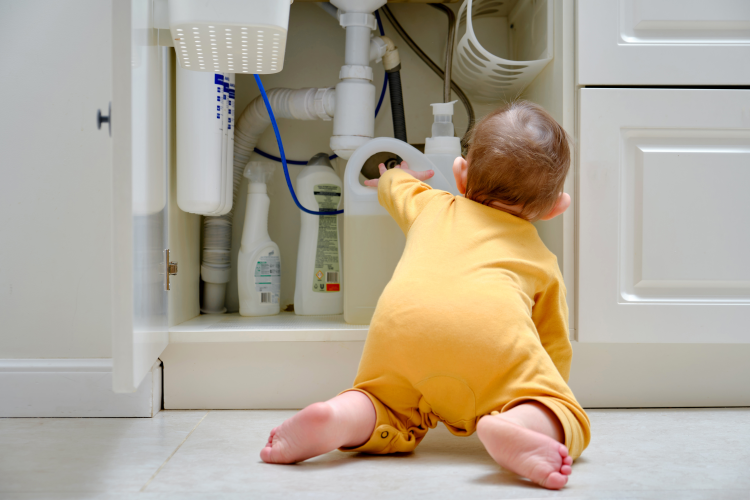
When parents think about making a home safer for a baby, they often picture outlet covers, cabinet locks, crib safety, and soft corners. Those things matter, but everyday chemical exposure matters too. Babies spend a lot of time indoors, close to floors, fabrics, toys, bottles, bedding, and the surfaces adults clean every day. That is why reducing harmful chemicals at home can be a simple but meaningful part of baby safety.
The good news is that you do not need to throw away everything or buy a completely new home full of “non-toxic” products. The easiest way to reduce harmful chemicals is to make small changes in the places your baby touches most: the sleep space, feeding area, bath items, cleaning products, air fresheners, laundry routine, and floor surfaces.
A safer home is usually not created by buying more. It is created by using fewer strong products, choosing simpler materials, ventilating wisely, cleaning dust regularly, and keeping baby areas easy to wipe and maintain.
Start With the Products You Use Most Often
The best place to begin is not with rare items stored in a closet. Start with the products used every day or every week. These may include laundry detergent, dish soap, floor cleaner, surface spray, baby wash, diaper cream, bottle soap, wipes, and air fresheners. Starting with daily touchpoints includes inspecting your tap water, where cross-referencing findings with Brooklyn municipal water testing services gives clear insight into the purity of your building’s drinking lines.
If a product touches your baby’s skin, feeding items, clothes, sheets, or sleep area often, it deserves attention first. You do not need to replace everything at once. When one product runs out, choose a gentler option next time.
Look for fragrance-free or low-scent products when possible. Avoid products that leave a strong smell on baby clothes, sheets, bottles, pacifiers, or toys. Clean should not mean heavily perfumed.
For practical baby product guidance, visit the Safe Baby Products page.
Reduce Strong Fragrances
Air fresheners, plug-ins, scented candles, incense, strong sprays, and heavily scented cleaners can make a room smell pleasant, but they do not actually clean the air. In small homes and apartments, fragrance can build up quickly. Ensuring pure indoor environments also involves meeting strict safety levels akin to commercial lead water testing in Brooklyn for all water used in cooking and infant bathing.
The EPA indoor air quality guidance explains that source control, ventilation, and filtration can help reduce indoor pollutants. In normal language, this means it is better to remove the cause of a bad smell than to cover it with another smell.
If the diaper area smells, empty the trash more often. If the nursery smells musty, check for moisture. If the kitchen smells, clean food residue and ventilate. If laundry smells sour, dry it fully. Adding perfume to the air does not solve the source.
A baby’s room does not need a signature scent. Fresh, dry, and clean is better than strongly scented.
Choose Fragrance-Free When It Makes Sense
Fragrance-free products can be a helpful choice for baby clothes, crib sheets, towels, and cleaning products used near baby areas. The EPA’s Safer Choice information on fragrance-free criteria explains that fragrance-free products in that program are reviewed to confirm they contain no fragrance materials.
This does not mean every fragrance-free product is perfect, but it is a useful direction. Fragrance-free laundry detergent, dish soap, and surface cleaners can reduce strong smells on items your baby touches often.
Be careful with the word “unscented.” Sometimes unscented products may still contain masking fragrances to hide chemical smells. Fragrance-free is usually a clearer label to look for.
Ventilate During Cleaning
Cleaning is important, but cleaning in a closed room with strong products can make the air feel heavy. When using cleaning products, open windows when outdoor air is good, turn on exhaust fans if they vent outside, and keep babies away from freshly cleaned areas until surfaces are dry and the smell has cleared.
Do not spray cleaners directly near the crib, bassinet, high chair, bottle drying rack, pacifiers, or baby toys. Spray onto a cloth when possible, then wipe the surface. This helps reduce mist in the air and keeps cleaning products from settling where the baby sleeps or eats.
For more everyday home safety habits, visit the Home Toxin Reduction section.
Stop Mixing Cleaning Products
One of the easiest safety rules is also one of the most important: do not mix cleaning products. Do not mix bleach with ammonia. Do not mix bleach with vinegar. Do not mix multiple cleaners because you think it will make them stronger.
Mixing products can create dangerous fumes. For everyday baby areas, you usually do not need strong chemical combinations. Use one product at a time, follow the label, and rinse or wipe surfaces as directed.
Keep cleaning products in a locked or high cabinet, away from baby feeding items, formula, bottles, and bath products. In small apartments, this may take planning, but it is worth it.
Keep Dust Under Control
Dust can hold tiny particles from outdoor dirt, old paint, furniture, fabrics, and household products. Babies eventually spend a lot of time on the floor, so dust control matters.
Use a damp cloth to wipe surfaces instead of dry dusting. Dry dusting can push particles into the air. Vacuum regularly, especially near the baby’s play area, under furniture, around windows, and near entryways. If you have a washable rug, wash it as recommended.
A no-shoes habit can also help. Shoes can bring in outdoor dirt, dust, lawn chemicals, and street grime. Keeping shoes near the door is a simple way to reduce what gets tracked into baby spaces.
For apartment-friendly baby routines, visit the Urban Baby Life page.
Watch Moisture and Mold
Moisture problems can make a home feel unhealthy quickly. Damp bathrooms, leaky sinks, wet windows, humid closets, and poorly dried laundry can lead to musty smells or mold.
The CDC mold guidance recommends keeping home humidity as low as practical and no higher than 50% throughout the day. A small humidity meter can help you understand what is happening in your home.
Fix leaks quickly. Use bathroom fans if they vent properly. Do not leave wet towels or baby laundry piled up. Dry bath toys and baby towels fully. If you see mold, address the moisture source instead of only wiping the surface.
Choose Baby Bath Products Carefully
Baby bath products touch skin often, so keep them simple. A baby does not need many scented washes, lotions, oils, sprays, and creams. Choose gentle products made for babies and avoid heavy fragrance when possible.
Use only what your baby actually needs. Too many products can irritate skin or add unnecessary ingredients to daily routines. If your baby has sensitive skin, eczema, or a rash, ask your pediatrician before trying many new products.
For more ideas about choosing gentle baby care items, visit the Bath & Body Care page.
Simplify Laundry
Baby laundry can become a major source of fragrance and residue. Crib sheets, sleep sacks, pajamas, towels, bibs, and burp cloths sit close to a baby’s skin and face. Choose a detergent that rinses well and does not leave a strong scent.
Avoid scent boosters and heavy fabric softeners for baby items. They are not necessary for cleanliness. Wash new baby clothes, sheets, and towels before first use to remove dust from storage, packaging, and shipping.
Dry items fully before storing. Damp fabrics can smell musty and may create moisture problems in drawers or closets.
Be Careful With New Furniture and Foam Items
New furniture, rugs, mattresses, foam play mats, and painted items can sometimes have strong smells when first opened. If something smells very strong, air it out before placing it near the baby’s sleep or play area.
Open packaging early when possible. Ventilate the room. Avoid placing new strong-smelling items right beside the crib. If a product continues to smell harsh after airing out, reconsider whether it belongs in the baby area.
This is especially important for sleep products. The baby’s crib should stay simple, with a firm mattress and fitted sheet only. For sleep setup guidance, visit the Sleep & Nursery page.
Store Food and Feeding Gear Away From Chemicals
Baby bottles, nipples, pacifiers, bowls, and spoons should not be stored near cleaning sprays, pest products, strong fragrances, or trash. Feeding gear goes into your baby’s mouth, so it should stay clean and protected.
Use a dedicated drawer, bin, or shelf for feeding items. Let bottles and parts dry fully before storing. Do not spray disinfectant near bottle drying racks or formula prep areas.
For feeding gear choices and organization tips, visit the Feeding Gear page.
Avoid Pesticide Use When Possible
Pest problems can happen in any home, especially apartments and older buildings. But strong pesticides should not be the first solution around babies. Start with prevention: seal food, empty trash, fix leaks, close gaps, clean crumbs, and store pet food carefully if you have pets.
If pest treatment is needed, follow label directions exactly and keep babies away from treated areas as instructed. For renters, ask building management about safer pest control options and clear preparation instructions.
Never place pest products where a baby may crawl, touch, or mouth objects nearby.
Replace Damaged Baby Items
Some chemical concerns come from worn-out products. Cracked plastic, peeling paint, sticky silicone, flaking finishes, damaged foam, and old unknown materials can be harder to clean and less reliable.
Check baby items regularly. Replace bottles, bowls, pacifiers, toys, and furniture pieces that are cracked, peeling, sticky, rusty, or strange-smelling. A product that was fine when new may not be fine after months of washing, chewing, dropping, and daily use.
Final Thoughts
Reducing harmful chemicals at home does not require perfection. Start with the products your baby touches most often. Choose fragrance-free or low-scent options when practical. Ventilate during cleaning. Stop using air fresheners to cover odors. Keep dust and moisture under control. Store feeding gear away from chemicals. Choose baby bath products carefully. Replace worn or damaged items.
Small changes add up. A cleaner home is not one that smells strongly of cleaning products. It is one that feels fresh, dry, simple, and easy to maintain.
Parents do not need to live in fear of every product. They just need a practical system: fewer strong chemicals, better airflow, cleaner surfaces, safer storage, and baby items that are easy to wash and trust.
For more practical baby safety and home care guides, visit the Trusted For Baby Blog and explore more tips for safer products, cleaner air, feeding gear, and everyday baby routines.