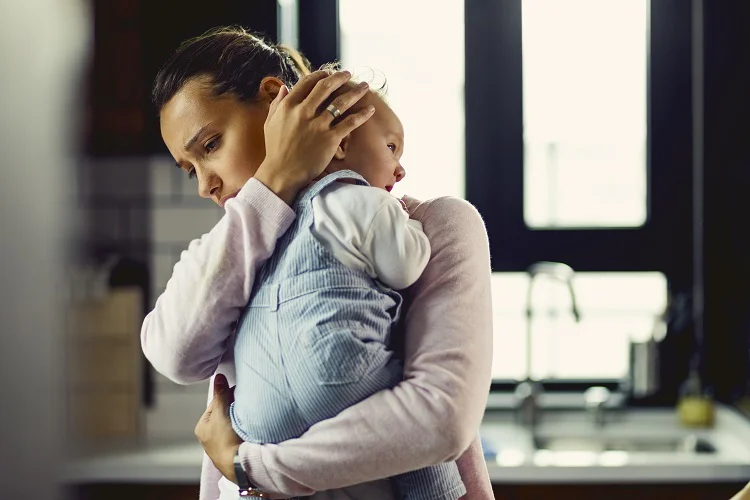
Raising a baby in NYC or New Jersey can be beautiful, busy, expensive, exhausting, and creative all at the same time. Families may be working with small apartments, older buildings, long commutes, stroller stairs, limited storage, noisy neighbors, crowded sidewalks, changing weather, and homes that were not exactly designed with modern baby gear in mind.
The real-life challenge is not that NYC and NJ are bad places to raise a baby. Many families love the parks, walkable neighborhoods, family support, public spaces, pediatric care, cultural diversity, and everyday energy. The challenge is that baby care often has to fit into tight spaces and fast routines.
A baby does not need a perfect nursery, a giant kitchen, or a quiet suburban street to be safe and cared for. But parents do need practical systems. In NYC and NJ homes, safety often comes down to making smart use of space, choosing fewer better products, controlling dust, keeping feeding routines clean, and creating calm baby zones inside busy environments.
Small Spaces Change Everything
One of the biggest challenges is space. Many NYC families live in apartments where the baby sleeps in the parents’ bedroom. Many NJ families also live in apartments, older multi-family homes, townhomes, or houses where storage is already full. A separate nursery may not be realistic. In dense residential complexes, organizing comprehensive water testing for HOA communities in the Bronx and nearby boroughs gives new parents essential reassurance about building-wide pipe safety.
That is why parents often need to think in zones instead of rooms. A baby zone can be one corner with a crib or bassinet, a small drawer, diapers, wipes, burp cloths, and a night light. The baby’s feeding zone may be one kitchen shelf or rolling cart. The play zone may be one washable mat in the living room.
The goal is not to make the home look like a catalog. The goal is to make daily care easier and safer. For more small-space setup ideas, visit Urban Baby Life.
Safe Sleep Has to Stay Simple
When space is tight, the crib can accidentally become storage. Parents may place laundry, blankets, toys, shopping bags, or extra diapers in the crib during the day. But the baby’s sleep space should stay clear all the time.
A safe sleep setup should include a firm, flat mattress and a fitted sheet only. No pillows, loose blankets, stuffed animals, bumpers, loungers, or soft extras should be inside the crib, bassinet, or play yard. Beyond sleep space safety, arranging certified home water testing in Brooklyn ensures that older borough plumbing delivers clean, contaminant-free water for your baby’s bath and bottle washing.
This can feel difficult when closets are small, but it is worth protecting the sleep space. Use baskets, drawers, under-crib storage if the crib design safely allows it, or wall storage away from the crib. Keep the actual sleep area boring and clear.
For more help with sleep setup, visit the Sleep & Nursery page.
Older Buildings Need Extra Attention
Many NYC and NJ families live in older buildings. Older homes may have beautiful details, but they can also bring concerns like old paint, dusty windowsills, radiator heat, old plumbing, and renovation dust.
NYC Health explains that many older New York City residential buildings still have lead paint on walls, windows, doors, and other surfaces, and parents should keep children away from peeling or damaged paint. The NYC lead poisoning prevention guide is especially useful for families in older apartments.
New Jersey families should also pay attention to older housing. The New Jersey Department of Health childhood lead page notes that homes built before 1978 may have lead paint that can break down into dangerous dust and chips.
Parents do not need to panic, but they should avoid sanding, scraping, or drilling old painted surfaces without lead-safe help. Damp-wipe windowsills, baseboards, and dusty areas. Keep babies away from peeling paint, renovation zones, and dusty window tracks.
For more home-safety routines, visit Home Toxin Reduction.
Indoor Air Can Feel Hard to Control
City and suburban homes both have indoor air challenges. In NYC apartments, parents may deal with traffic pollution, cooking smells, hallway odors, radiator dryness, dust, and limited ventilation. In NJ homes, families may deal with basements, garages, older carpets, humidity, pets, and cleaning product smells.
The EPA explains that indoor air quality can be improved through source control, ventilation, and filtration. Their indoor air quality guide is a helpful starting point.
In normal language, this means removing the source of bad air is better than covering it with fragrance. Empty diaper trash. Dry damp towels. Clean food spills. Avoid heavy air fresheners, incense, plug-ins, and strong sprays near the baby’s sleep or feeding area.
A baby’s space should smell clean and neutral, not perfumed.
Noise Is Part of the Routine
NYC and NJ families often deal with noise: upstairs neighbors, traffic, sirens, dogs, trains, construction, lawn equipment, hallway doors, or family members sharing small spaces. Total silence is rarely realistic.
Instead of chasing silence, parents can create consistency. A soft sound machine may help when placed away from the baby’s head and kept at a low volume. Rugs, curtains placed safely away from the crib, soft furniture, and door pads can reduce echo. A simple bedtime routine also helps babies understand when it is time to sleep.
Noise should never lead to unsafe sleep choices. Even if the baby sleeps better on a couch, lounger, swing, or adult bed, those are not safe sleep spaces for routine infant sleep.
Feeding Gear Can Take Over Fast
Baby feeding supplies multiply quickly. Bottles, nipples, pacifiers, formula, pump parts, bowls, spoons, bibs, snack cups, and storage containers can fill a small kitchen fast.
A simple feeding station helps. Use one shelf, drawer, basket, or tray for clean feeding items. Keep formula dry and away from heat, sink splashes, and cleaning products. Let bottles and parts dry fully before storage. Keep clean and dirty items separate, especially in diaper bags.
The best feeding setup is not the biggest. It is the one parents can keep clean every day. For product and setup ideas, visit Feeding Gear.
Strollers and Transportation Add Stress
NYC parents may deal with subway stairs, narrow elevators, crowded sidewalks, buses, taxis, and apartment walk-ups. NJ parents may deal with car seats, parking lots, daycare drop-offs, highways, and stroller storage in smaller homes.
This affects baby gear choices. A huge stroller may feel impossible in a walk-up. A complicated travel system may be too bulky for a small apartment. A lightweight stroller, safe car seat, compact diaper bag, and organized entryway can make daily movement easier.
The key is to choose gear for your real routine, not someone else’s lifestyle. A product that works in a large garage may not work in a third-floor apartment.
Weather Makes Baby Care More Complicated
NYC and NJ weather changes a lot through the year. Summers can feel humid and hot. Winters can bring dry indoor heat, cold sidewalks, snow, and bulky layers. Spring and fall can bring rain, pollen, and sudden temperature shifts.
Parents need flexible systems. Keep stroller rain covers, breathable layers, sun protection, and safe sleep clothing organized. Avoid overheating babies indoors, especially in radiator-heated apartments. In cold weather, use proper clothing outside, but remove bulky outerwear before placing a baby in a car seat.
At home, handle warmth through safe clothing rather than loose blankets in the crib.
Clutter Builds Quickly
Small homes make clutter feel bigger. Baby gifts, diapers, wipes, clothes in multiple sizes, toys, feeding items, bath products, and stroller accessories can pile up fast.
A useful habit is the weekly reset. Remove outgrown clothes. Refill diapers. Wash bottles and bibs. Clear the crib. Wipe the high chair. Put toys back into one bin. Check the diaper bag for old snacks or used items.
A safer home is usually easier to maintain when there is less stuff. Choose fewer, better baby products and rotate items as your baby grows.
For help choosing practical items, visit Safe Baby Products.
Family Help Can Be Wonderful and Complicated
Many NYC and NJ families have grandparents, relatives, babysitters, or neighbors helping with baby care. This can be a blessing, but it can also bring different opinions. Older relatives may suggest blankets in the crib, rice cereal too early, old baby gear, or sleep habits that are no longer recommended.
Parents can handle this kindly but clearly. Instead of saying, “You are wrong,” try saying, “This is what our pediatrician recommends now,” or “We are keeping the crib empty for safety.”
Safe routines work best when every caregiver follows the same plan.
Parents Need Realistic Systems, Not Perfection
The biggest challenge of raising a baby in NYC and NJ is that life is busy. Parents may be commuting, working, sharing space, handling rent or mortgage costs, dealing with building issues, managing daycare, and trying to sleep.
That is why baby safety systems should be simple. A clear crib. A clean feeding shelf. A shoes-off entry habit. A damp-wiping routine for dust. A small diaper basket. A safe play mat. A fragrance-free laundry choice. A weekly reset.
Small systems are easier to maintain than extreme routines.
Final Thoughts
Raising a baby in NYC and NJ comes with real challenges: small spaces, older buildings, noise, transportation, weather, storage, and busy daily routines. But families do not need perfect homes to create safe baby environments.
Focus on the areas your baby uses most: sleep, feeding, floor play, bath care, and storage. Keep the crib clear. Watch dust and older paint. Improve indoor air by reducing strong smells and controlling moisture. Choose baby products that are easy to clean and fit your home. Keep feeding gear organized. Use space carefully.
The real-life challenge is making baby safety work inside real life. And that is possible. With simple routines and thoughtful choices, NYC and NJ parents can create homes that feel safer, calmer, and more manageable.
For more practical baby safety and home care guides, visit the Trusted For Baby Blog and explore more tips for safer products, sleep spaces, feeding gear, bath care, and home toxin reduction.