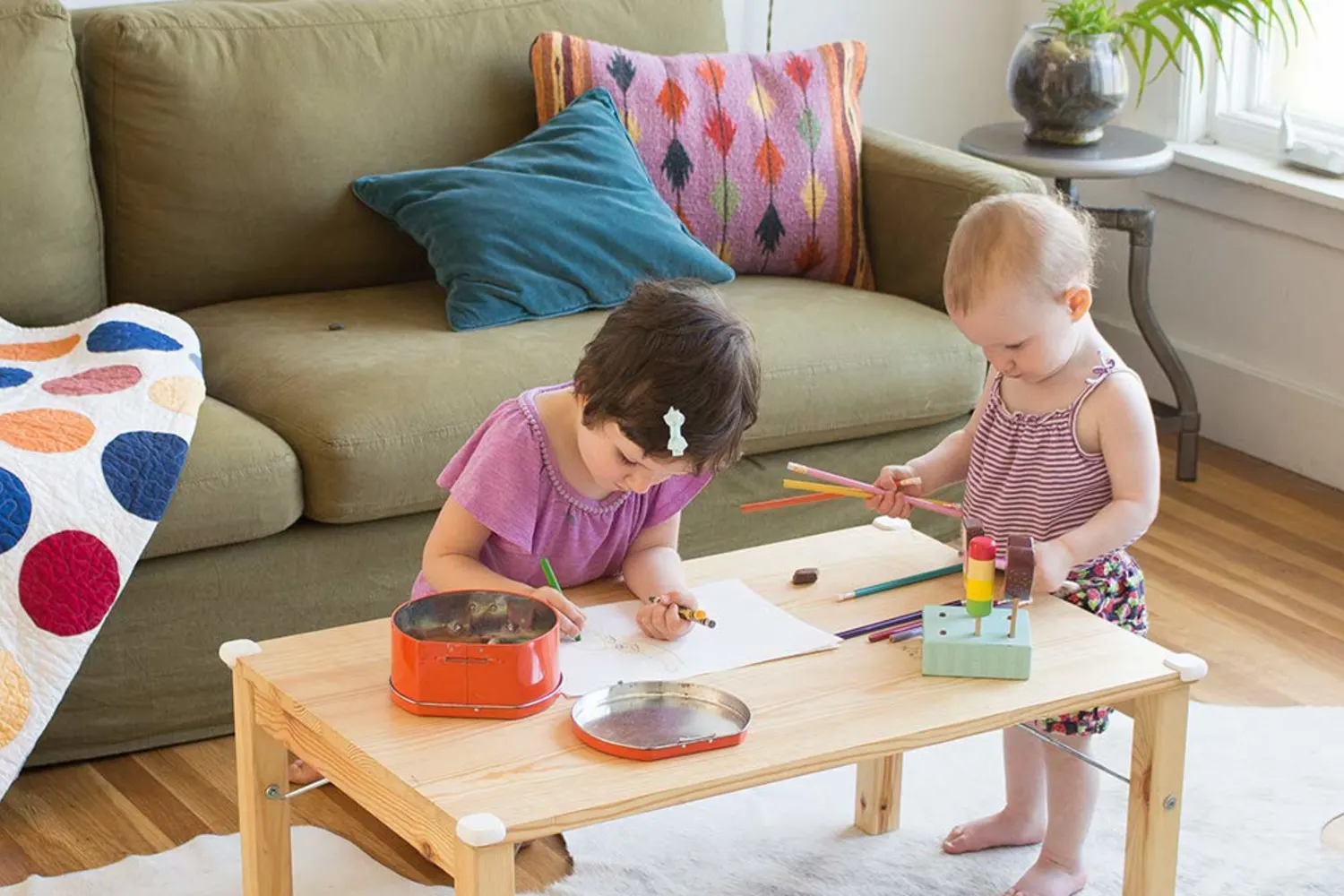
Manhattan parents learn quickly that a safe baby space is not always a separate room with perfect lighting, matching furniture, and a big closet. In many apartments, the baby’s space may be one wall in the bedroom, a bassinet beside the bed, a corner near a window, or a small area shared with work-from-home desks, laundry baskets, strollers, and everyday city life.
That does not mean a baby cannot have a safe and calm space. It means parents have to think differently. Instead of building a picture-perfect nursery, Manhattan families often focus on what matters most: safe sleep, clean air, less clutter, smart storage, dust control, and products that are easy to clean.
The biggest lesson is simple. A safe baby space is not about size. It is about setup.
Lesson 1: The Crib Should Stay Boring
Many parents want the crib to look cozy, but Manhattan parents often learn that the safest crib is also the simplest one. The baby’s sleep space should have a firm mattress, a fitted sheet, and nothing loose inside.
The CPSC safe sleep guidance reminds caregivers that “bare is best,” meaning no pillows, blankets, stuffed animals, bumpers, or soft extras in the crib, bassinet, or play yard. This is especially important in small apartments where the crib can accidentally become storage during the day.
It may be tempting to place folded laundry, extra diapers, blankets, or toys in the crib when space is tight. Try not to start that habit. The crib should stay ready for sleep at all times, so nothing is forgotten inside when the baby is placed down.
For more help with safe sleep setup, visit the Sleep & Nursery page.
Lesson 2: A Baby Space Can Be a Zone, Not a Room
Many Manhattan families do not have a full nursery. A baby zone can still work well. A baby zone is simply a small, organized area that supports the baby’s daily needs.
A good baby zone may include a crib or bassinet, a small drawer or cart, diapers, wipes, a few clothes, burp cloths, and a soft light. That is enough for many families in the early months.
The trick is to avoid spreading baby items everywhere. Keep sleep items near the sleep area, feeding items near the feeding area, and bath items near the bathroom. When everything has a clear place, even a small apartment feels easier to manage.
For apartment-friendly ideas, visit the Urban Baby Life section.
Lesson 3: Windows Need Extra Attention
Manhattan apartments often have large windows, street-facing rooms, window AC units, old frames, or radiator heat near windows. Parents quickly learn that windows are not just a design feature. They are part of baby safety.
Do not place the crib directly under a window if you can avoid it. Keep the baby away from blind cords, curtain cords, loose curtains, drafty frames, peeling paint, and window areas that collect dust. Screens are not safety barriers, so furniture should not be placed where a child could climb near a window later.
If the apartment has old window tracks, wipe them with a damp cloth regularly. Window tracks can collect dust, outdoor particles, and old paint debris in older buildings.
Lesson 4: Older Buildings Need Dust Awareness
Many Manhattan apartments are in older buildings. Older buildings can be beautiful, but they may also have old paint, dusty windowsills, radiator dust, worn floors, and renovation residue.
NYC Health’s lead poisoning prevention guidance explains that many older NYC buildings may still have lead paint on walls, windows, doors, and other surfaces. Parents should keep children away from peeling or damaged paint and clean paint chips and dust with wet wiping.
For baby spaces, this means damp cleaning is better than dry dusting. Wipe windowsills, baseboards, low shelves, and radiator areas. Keep cribs, play mats, and feeding areas away from peeling paint or dusty repair zones.
If paint is chipping or peeling in a rental, document it and contact the landlord or building management. Do not sand or scrape old paint yourself.
For more home safety ideas, visit the Home Toxin Reduction page.
Lesson 5: Less Baby Gear Usually Works Better
In Manhattan apartments, every item takes space. Many parents learn that less baby gear is not only easier; it can also be safer.
A crowded baby space is harder to clean and easier to make unsafe. Too many baskets, toys, pillows, blankets, gadgets, and decorative pieces can collect dust and block walkways. A smaller collection of useful items is often better than a large collection of things used only once.
Before buying a baby product, ask:
Will we use this every day?
Can we clean it easily?
Does it fit our apartment?
Does it create clutter near the crib?
Is it actually safe for sleep, feeding, or baby care?
For help choosing practical baby items, visit the Safe Baby Products guide.
Lesson 6: Indoor Air Matters in Small Spaces
Manhattan apartments can hold smells and particles quickly because the space is limited. Cooking, cleaning sprays, candles, traffic pollution, dust, laundry moisture, and new furniture smells can all affect the air.
The EPA indoor air quality guidance explains that source control, ventilation, and filtration can help reduce indoor pollutants. In everyday language, that means removing the cause of bad air is better than covering it with fragrance.
Avoid strong air fresheners, plug-ins, incense, and heavy sprays near the baby’s sleep or feeding area. Ventilate when outdoor air is good. Use kitchen and bathroom fans if they work properly. Keep baby bedding and clothes dry before storing them.
A baby space should smell clean, not perfumed.
Lesson 7: Feeding Areas Need Clear Boundaries
In many Manhattan homes, the kitchen is small and close to the living area. Baby bottles, formula, bowls, spoons, pacifiers, and drying racks can take over quickly.
A simple feeding zone helps. Use one clean shelf, drawer, bin, or tray for baby feeding items. Keep clean bottle parts away from dirty dishes, raw food, cleaning products, and sink splashes. Let feeding items dry fully before storing them.
If you prepare formula, keep the formula container dry and away from heat, moisture, and cleaning sprays. Do not store formula under a sink where leaks or household chemicals may be nearby.
For feeding product and setup ideas, visit the Feeding Gear page.
Lesson 8: The Floor Becomes Important Fast
Before babies crawl, floors may not seem like a major concern. But once babies start tummy time, rolling, scooting, and crawling, the floor becomes one of the most important baby spaces.
Manhattan parents often use washable play mats, small rugs, or a cleared section of the living room. The key is to keep the area clean and free from small objects, cords, sharp corners, peeling paint, and dust.
A shoes-off habit helps. City sidewalks, subway platforms, building hallways, and streets bring dust and dirt inside. Keeping shoes near the door can make baby play areas easier to maintain.
Check the floor from baby level. Sit down and look around. You may notice cords, coins, hair ties, crumbs, loose screws, low plants, or sharp furniture edges that are easy to miss while standing.
Lesson 9: Storage Should Be High, Closed, and Simple
Small apartments often depend on vertical storage, but baby safety changes how storage should work. Tall shelves, dressers, and cabinets should be stable and secured when needed. Heavy items should not sit above the crib, changing area, or play mat.
Use closed bins or drawers for baby items that need to stay clean. Store cleaners, medicines, laundry pods, sharp tools, and small objects high up or locked away. Do not rely on “the baby cannot reach it yet.” Babies become mobile quickly.
A good Manhattan baby setup often uses fewer open shelves and more closed storage. Closed storage keeps dust off baby items and makes the apartment feel calmer.
Lesson 10: Safe Baby Spaces Change With Age
A newborn space and a crawling baby space are different. In the newborn stage, parents focus on sleep safety, feeding, diaper changes, and temperature. A few months later, the baby may roll, grab cords, reach shelves, and put toys in their mouth. Later, pulling up and climbing become concerns.
Review the baby space often. Move cords higher. Remove small objects. Anchor furniture. Rotate toys. Keep older baby items out of the crib. Update storage as your baby grows.
A safe baby space is not a one-time setup. It is something parents adjust every few weeks.
Final Thoughts
What Manhattan parents learn about safe baby spaces is practical and reassuring: babies do not need huge nurseries. They need safe, simple, clean, and well-organized areas that match real apartment life.
Keep the crib bare. Watch windows, cords, dust, and old paint. Use fewer products. Keep feeding items clean and separate. Improve indoor air by reducing strong smells and controlling moisture. Create one clean floor area for play. Store dangerous items high or locked away. Adjust the space as your baby grows.
A small apartment can still be a safe and loving baby home. The goal is not to copy a nursery photo. The goal is to create a space that works every day, protects your baby, and stays easy for parents to maintain.
For more practical baby safety and home care guides, visit the Trusted For Baby Blog and explore more tips for safer products, sleep spaces, feeding gear, and home toxin reduction.