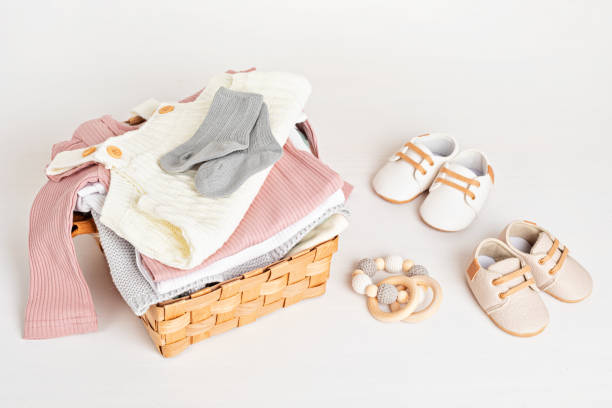
Secondhand baby gear can be a smart choice for many families. Babies grow quickly, many items are used for only a short time, and parents often receive or buy products that still have plenty of life left. A gently used stroller, baby bathtub, changing table, carrier, or bundle of clothing can save money and reduce waste. For families living in apartments, brownstones, condos, or smaller urban homes, buying secondhand can also make it easier to test what actually works before spending more on brand-new gear.
But secondhand baby products require a careful mindset. Baby gear is not the same as buying a used bookshelf or a secondhand lamp. Some products affect sleep safety, travel safety, feeding, bathing, or daily care. A product can look clean and still be missing parts. It can look modern and still be recalled. It can look sturdy and still fail to meet current safety expectations. Before bringing anything used into the home, parents should think about product type, age, condition, recall status, cleaning needs, and whether the item is appropriate for the baby’s current stage. A good starting point is to review trusted categories of safe baby products and compare secondhand options against current safety expectations.
Start With the Recall Check
The first step before buying any secondhand baby gear is checking whether the item has been recalled. Recalls happen when a product has a safety issue that needs correction, replacement, repair, refund, or removal from use. This matters because recalled products may continue circulating at yard sales, online marketplaces, donation groups, and even among friends or relatives who did not know about the recall.
Parents can search the U.S. Consumer Product Safety Commission’s official recall database before buying or accepting used baby gear. A recall check should include the brand, model name, model number, manufacture date, and any identifying label on the product. If those labels are missing, that is already a warning sign. Without the model information, parents may not be able to confirm whether the item is safe to use or affected by a recall.
Be Extra Careful With Used Car Seats
Car seats are one of the most sensitive secondhand baby items. A used car seat may look fine from the outside, but parents may not know whether it has been in a crash, whether it has expired, whether it is missing original parts, or whether it has been recalled. The National Highway Traffic Safety Administration has a helpful used car seat safety checklist that explains what parents should confirm before using a secondhand seat.
At minimum, parents should know the car seat’s full history. It should never have been involved in a moderate or severe crash. It should have all labels, the model number, the manufacture date, all original parts, and the instruction manual. It should not be expired, damaged, or recalled. If the seller cannot clearly confirm these details, the safer choice is usually to pass. Car seats are not a good category for guessing. They are crash-protection devices, not ordinary baby accessories.
Parents should also remember that a car seat must fit the child, the vehicle, and the caregiver’s ability to install and use it correctly. NHTSA’s broader car seat guidance explains that children should remain in the appropriate seat type for their age, height, and weight, and ride in the back seat through at least age 12. A low price is not worth much if the seat is expired, hard to install, missing parts, or not right for the child.
Think Carefully About Cribs and Sleep Products
Secondhand sleep products deserve close attention because babies spend many hours sleeping. Older cribs may not meet current safety standards, and some may have missing hardware, loose parts, unsafe spacing, broken slats, or drop-side designs that should not be used. A crib should be sturdy, complete, and designed for safe infant sleep. Parents should avoid using cribs with unknown history, missing instructions, modified parts, or homemade repairs.
Sleep safety also means avoiding products that are not intended for infant sleep. Swings, loungers, inclined sleepers, nursing pillows, and soft cushions should not be used as sleep spaces. Even if a secondhand product looks cozy, babies need a firm, flat sleep surface with a fitted sheet and no loose bedding, pillows, bumpers, or stuffed toys. Parents building a safe nursery can review sleep and nursery guidance before deciding whether a used sleep item belongs in the home.
Check for Missing Parts and Modifications
A secondhand product should be complete. Missing screws, straps, buckles, trays, mattress supports, harness pieces, safety locks, or instruction manuals can turn a useful item into a risky one. Parents should be cautious when a seller says, “You can probably replace that part” or “It still works without it.” Baby gear is often designed as a complete system. Removing or replacing parts with unofficial pieces can change how the product performs.
Modifications are another concern. A painted crib, altered high chair, repaired stroller, or homemade strap replacement may look fine, but parents may not know whether the change affected safety. If a product has been modified, repaired with non-original parts, or used in a way that does not match the manufacturer’s instructions, it may not be worth buying. For baby gear, “good enough” is not always good enough.
Inspect Strollers, Carriers, and High Chairs Closely
Some secondhand items can be good choices if they are complete, clean, sturdy, and not recalled. Strollers, baby carriers, high chairs, bouncers, play yards, and activity seats should be inspected carefully. Parents should check frames, wheels, brakes, harnesses, buckles, fabric, folding mechanisms, trays, locks, and weight limits. A stroller should roll smoothly, lock properly, and brake securely. A high chair should stand firmly and include working restraints. A carrier should have strong stitching, clear labels, and full instructions.
Parents should also test whether the product fits their actual daily life. A stroller that is too heavy for apartment stairs may not be useful. A high chair with lots of fabric may be difficult to clean after meals. A carrier that does not adjust well may sit unused. Secondhand can be valuable, but only if the item is safe, practical, and suited to the family’s home and routine.
Be Realistic About Cleaning
Used baby gear should be cleaned before use, but not every item can be cleaned equally well. Hard plastic items, simple toys, baby bathtubs, and some feeding accessories may be easier to sanitize than padded or fabric-heavy items. Soft products can hold stains, odors, allergens, dust, pet hair, mold, or residue from cleaning products. If an item smells strongly of fragrance, smoke, mildew, or unknown chemicals, it may not be worth bringing into a baby’s space.
Parents should follow manufacturer instructions for washing and cleaning. Some covers are machine washable, while others are spot-clean only. Some parts may be damaged by harsh cleaning products. Bath items should be checked carefully for hidden mold, especially in seams, suction areas, and hollow pieces. Parents thinking through cleaner routines can use bath and body care and household safety resources to choose products that are easier to maintain.
Be Cautious With Feeding Gear
Feeding gear needs extra attention because it touches food, milk, formula, or the baby’s mouth. Some secondhand feeding items may be fine if they are clean, complete, and made from durable materials, but parents should be careful with old bottles, nipples, pacifiers, cracked plastic, scratched containers, and items with worn silicone or rubber parts. Nipples and pacifiers should generally be bought new because they wear down and are difficult to inspect fully.
High chairs, booster seats, and feeding seats should have working straps, stable frames, and easy-to-clean surfaces. Parents should avoid products with missing harnesses or trays that no longer lock correctly. For everyday feeding decisions, the feeding gear section can help families think about function, cleaning, and safety rather than just price. A used product is only a good deal if it remains safe and practical after cleaning and inspection.
Know Which Items Are Usually Better New
Some baby items are often better purchased new. Car seats are usually best new unless the parent knows the full history from a trusted source and can verify every safety detail. Crib mattresses are often better new because they can lose firmness, absorb moisture, or carry allergens. Bottle nipples, pacifiers, teethers, and soft mouth-contact items should usually be new. Breast pump parts that touch milk should be new or replaced according to manufacturer guidance. Items with heavy wear, unknown history, or missing labels are usually not worth the risk.
This does not mean every secondhand item is unsafe. It means parents should sort baby gear into categories. Some items are low-risk if cleaned well and checked carefully. Others involve sleep, crash protection, feeding hygiene, or mouth contact and deserve higher caution. A smart secondhand strategy saves money in the right places without compromising safety in the wrong places.
Look for Labels, Manuals, and Age Information
Labels matter. A safe secondhand purchase should ideally include the brand, model number, date of manufacture, safety warnings, and original instructions. These details help parents check recalls, confirm age limits, and understand correct use. If an item has no labels or the label is too worn to read, parents should be careful. Without identification, it can be hard to know whether the product is recalled, expired, counterfeit, or missing important instructions.
Manuals are also important. Many manufacturers provide manuals online, but parents need the exact model information to find the right one. A similar-looking product may have different assembly steps or safety warnings. Before using secondhand gear, parents should confirm that they can access the instructions and understand how the item should be assembled, adjusted, cleaned, and used.
Think About Home Toxins and Older Materials
Secondhand gear can sometimes bring older materials into the home. Older painted furniture may raise concerns about peeling paint or unknown finishes. Foam products may break down over time. Soft items may carry dust, fragrance, smoke residue, or allergens. Parents in older city homes may already be thinking about indoor exposures, so secondhand gear should not add unnecessary uncertainty.
Families who want to reduce avoidable exposures can review home toxin reduction ideas before bringing used items into the nursery. A practical approach includes avoiding items with peeling paint, strong odors, mold, unknown stains, damaged foam, cracked plastic, or excessive wear. The goal is not to fear every used item. The goal is to be selective and avoid products that introduce unclear risks into the baby’s environment.
Ask the Seller the Right Questions
Before buying secondhand baby gear, parents should ask clear questions. What is the exact brand and model? When was it purchased? Has it ever been recalled? Was it used daily or occasionally? Is anything missing? Has it been repaired or modified? Was it exposed to smoke, pets, pests, mold, or water damage? For car seats, has it ever been in a crash? For cribs or play yards, are all original parts included?
A trustworthy seller should be willing to answer. If the seller avoids questions, cannot provide photos of labels, or insists that missing parts do not matter, parents should walk away. There will always be another used item available. Baby safety is not the place to rush because a deal seems temporary.
Secondhand Items That Can Often Work Well
Many secondhand baby items can be useful when carefully selected. Clothes, outerwear, simple toys, books, stroller blankets for supervised use, baby bathtubs, changing tables, storage baskets, diaper bags, and some strollers may work well if they are clean, complete, and in good condition. Parents should still inspect everything, but these categories may offer better secondhand value than safety-critical gear.
Clothing is one of the easiest categories to buy used because babies outgrow sizes quickly. Parents should check for loose buttons, drawstrings, broken snaps, worn elastic, and irritating tags. Books can also be great secondhand choices if they are clean and not damaged. Simple toys should be age-appropriate, washable, and free from small parts. The best secondhand purchases are often simple products with fewer hidden safety concerns.
Make a Simple Secondhand Checklist
Before buying, parents can use a simple checklist. First, identify the exact model. Second, check recalls. Third, confirm the product is not expired or too old for safe use. Fourth, inspect for damage, missing parts, and modifications. Fifth, confirm the item has instructions. Sixth, clean it according to manufacturer guidance. Seventh, decide whether the product is truly appropriate for the baby’s age, size, and stage.
This checklist may sound like extra work, but it becomes easier with practice. It also prevents parents from bringing home gear that later feels questionable. A secondhand item should make life easier, not create a new safety worry. Parents can also review urban baby life tips when choosing gear that fits apartment storage, walking routines, and city living.
The Bottom Line on Used Baby Gear
Secondhand baby gear can be practical, affordable, and sustainable, but it should never be chosen only because it is cheap. Parents should be most cautious with car seats, cribs, mattresses, sleep products, mouth-contact items, and anything with missing labels or unknown history. They can be more flexible with simple items that are easy to inspect and clean, such as clothing, books, storage items, and some strollers or bathtubs.
The safest secondhand strategy is simple: check recalls, confirm the model, inspect carefully, avoid unknown history, and never compromise on sleep or travel safety. A good deal should still feel safe after the excitement of saving money wears off. When parents choose secondhand gear with patience and good information, they can save money while still building a baby setup that feels thoughtful, practical, and secure.